Simple Drop Zone Storage Systems for Small Spaces That Keep Everyday Clutter Away
Drop zone storage systems for small spaces are not about adding more storage. They are about giving everyday items a clear place to land the moment you walk in, sit down, or move through your home.
In smaller homes, clutter builds quickly because there is no buffer. A bag lands on a chair, keys end up on the counter, and small items slowly spread across surfaces. Without a system, even a clean space starts to feel busy.
A simple drop zone changes that. It creates a natural pause point, a place where items belong without needing extra effort.
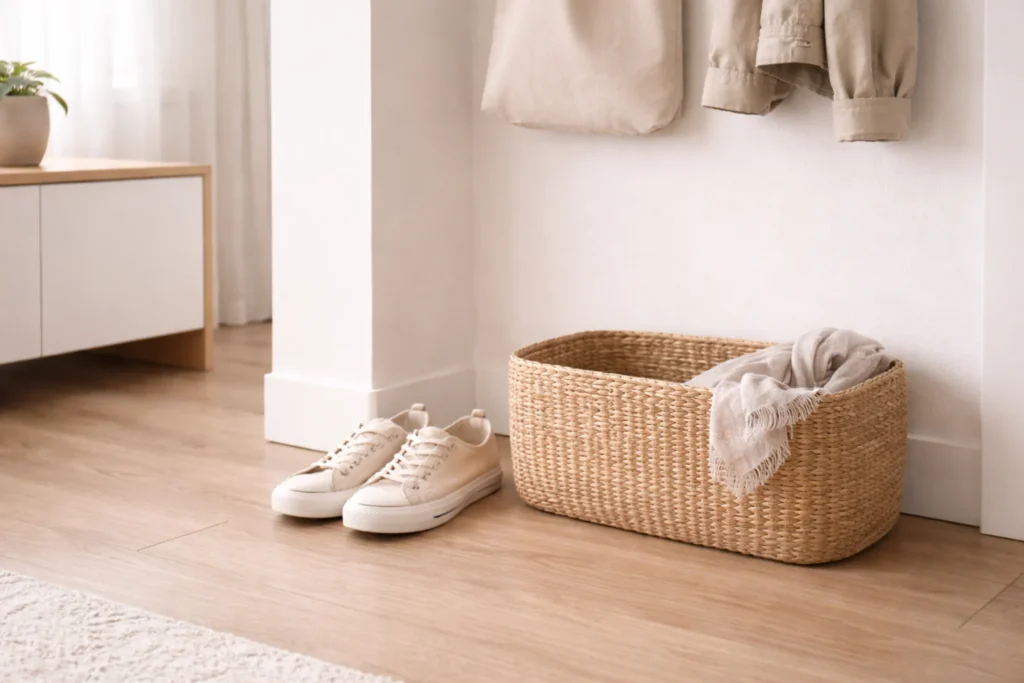
Why Clutter Builds Faster in Small Spaces
Clutter is rarely about having too many things. It is often about having no clear place for them in the moment you need it.
When items do not have an immediate home, they settle wherever is easiest. Over time, those temporary spots become permanent.
This is where understanding storage systems that actually work in small spaces becomes important. When systems are designed around real behavior, not just storage, clutter becomes easier to prevent.
You will also notice that clutter often follows movement. Improving creating calm flow in small spaces helps guide where items naturally go, instead of letting them scatter.
Drop Zone Storage Systems for Small Spaces That Actually Work
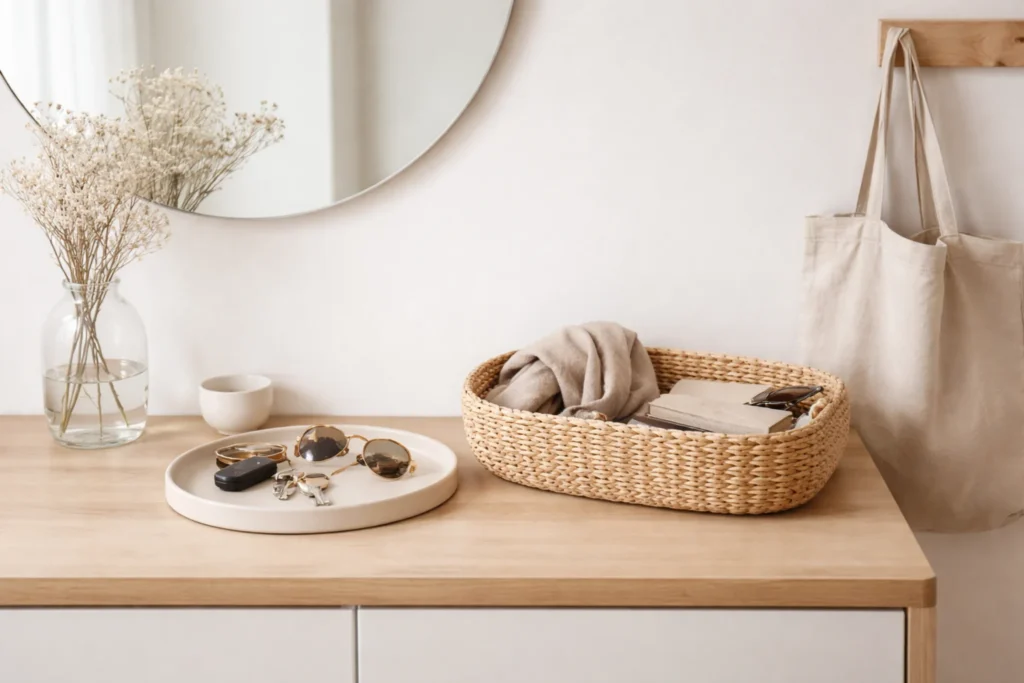
These drop zone storage systems for small spaces are simple, flexible, and designed to match how you already live.
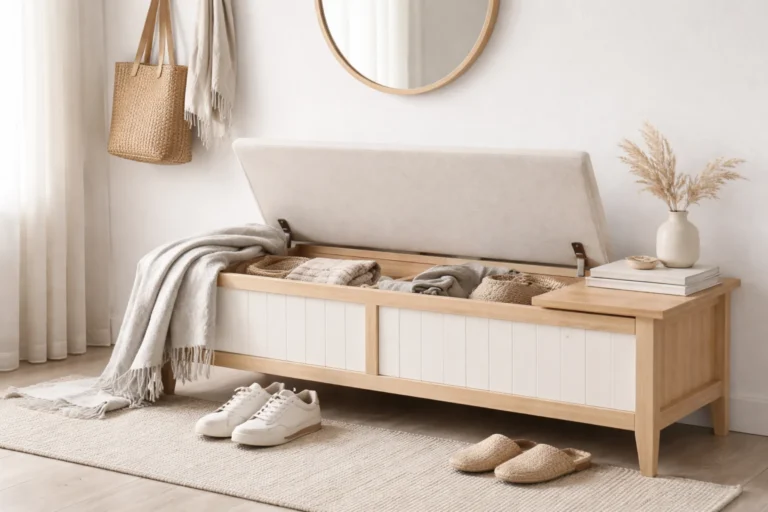
1. Entry Drop Zones That Catch Clutter Early
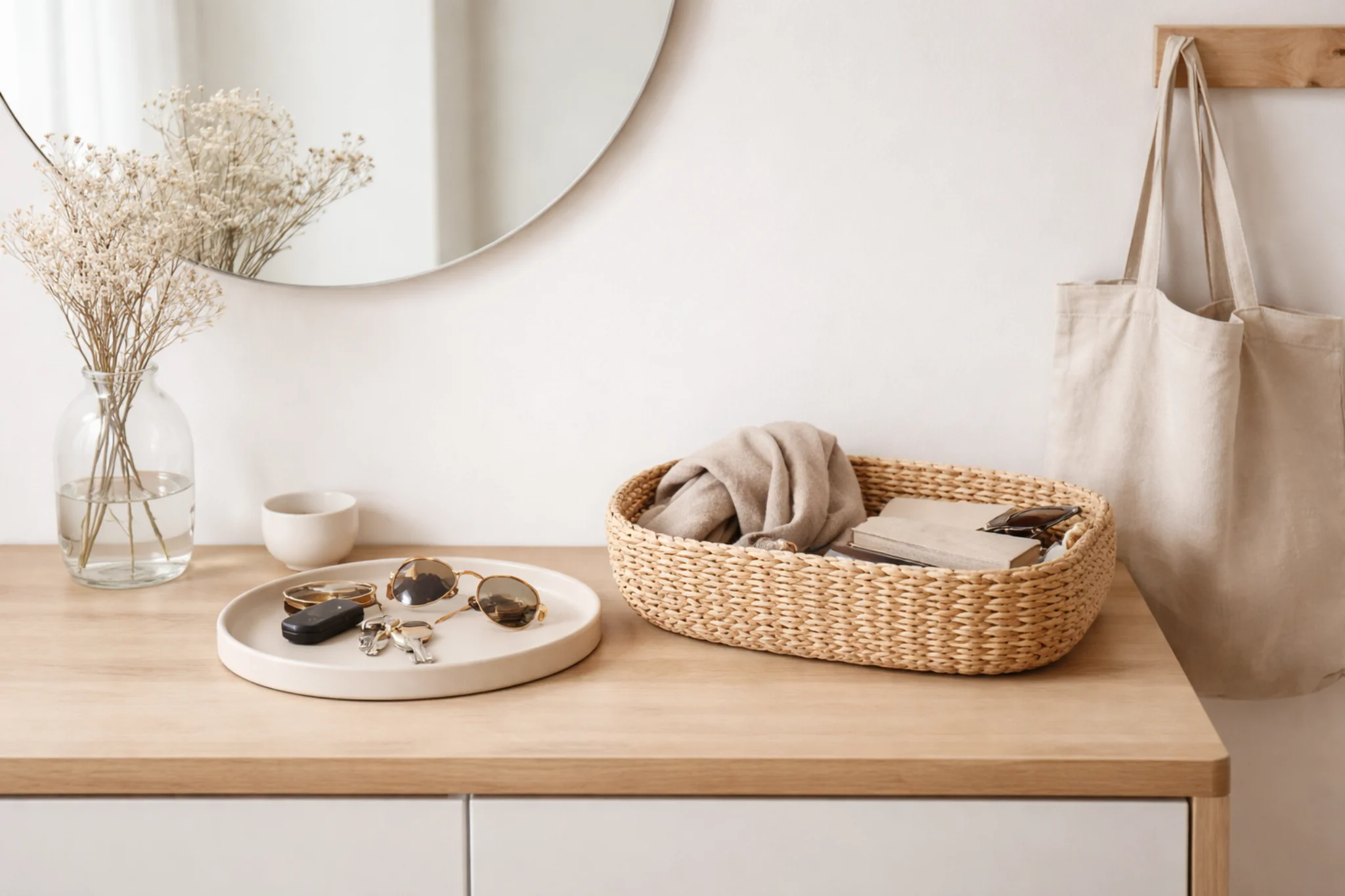
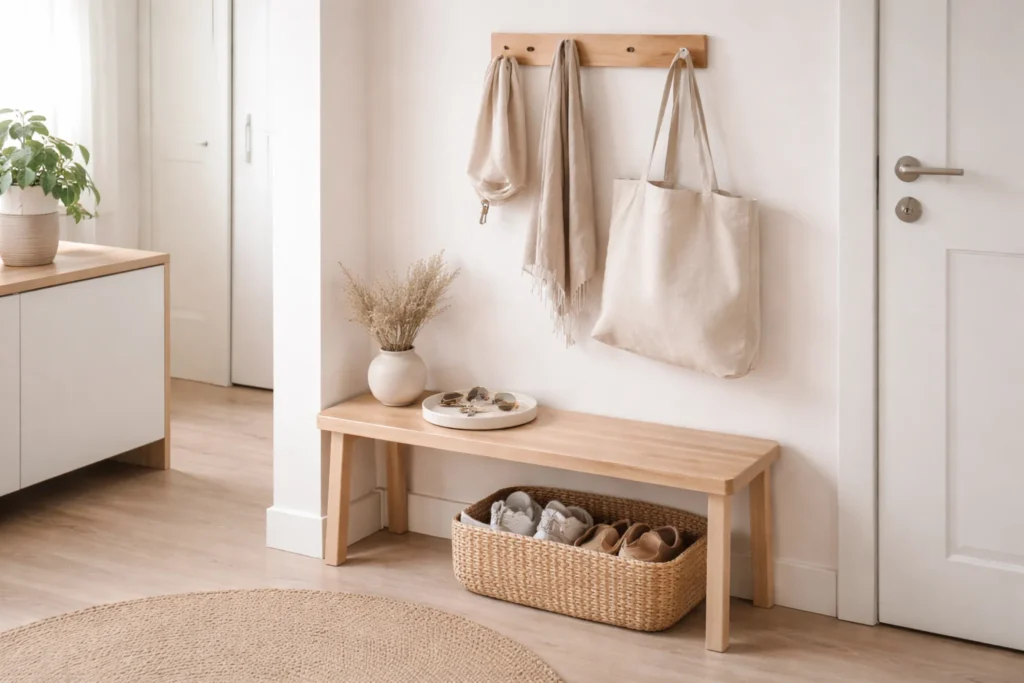
Your entryway is the first and most important drop zone.
Think about what you carry in:
- keys
- bags
- shoes
A small tray, a few hooks, or a basket can guide these items into place immediately.
If you are working with a compact area, exploring small entryway ideas can help you create a setup that feels natural without adding bulk.
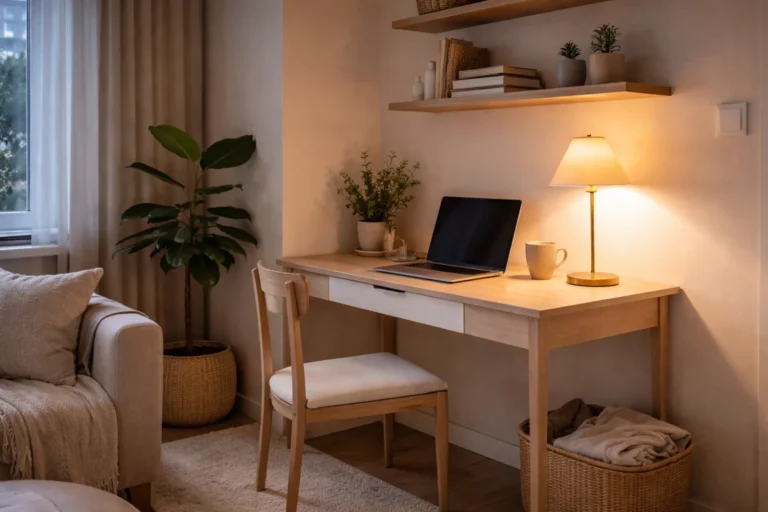
2. Desk Drop Zones for Everyday Work Items
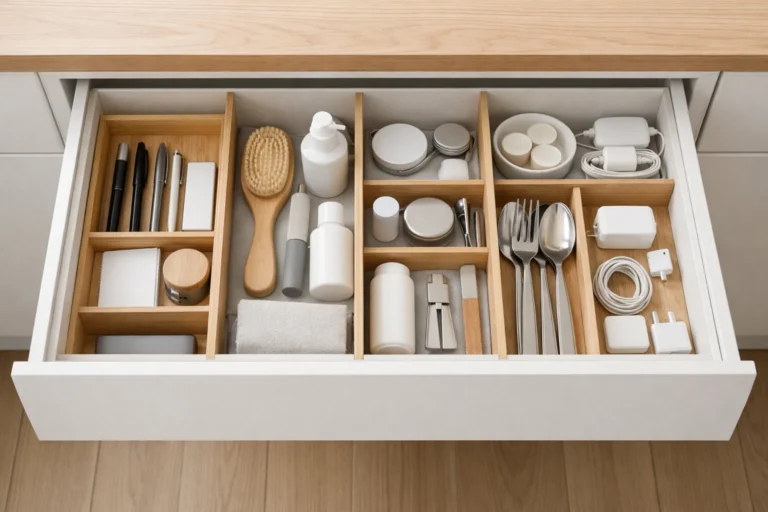
Workspaces tend to collect small items quickly. Pens, cables, notebooks, and devices often end up scattered.
Creating a small drop zone on your desk or just beside it keeps these items contained.
This works especially well when paired with small home office zoning ideas, where each part of your workspace has a clear purpose.
A simple tray or container can define where items go at the end of the day, without needing a full reset.
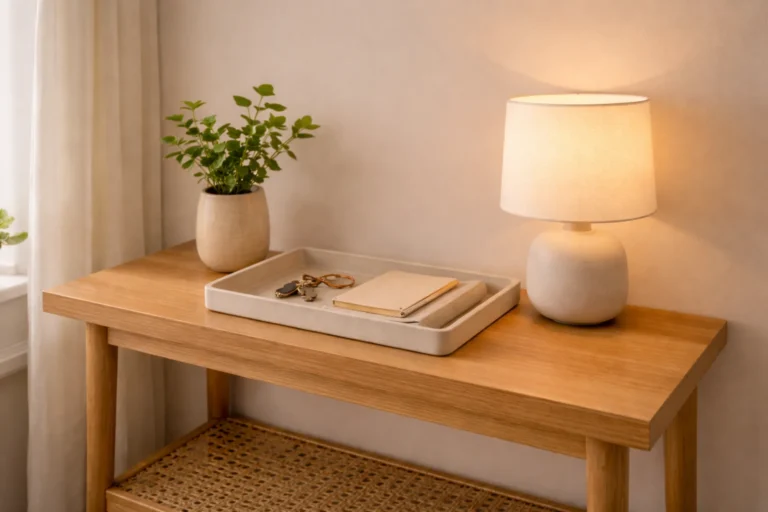
3. Micro Drop Zones for Daily Use Items
Not every drop zone needs to be large.
Small, intentional spaces can work just as well:
- a bowl for keys
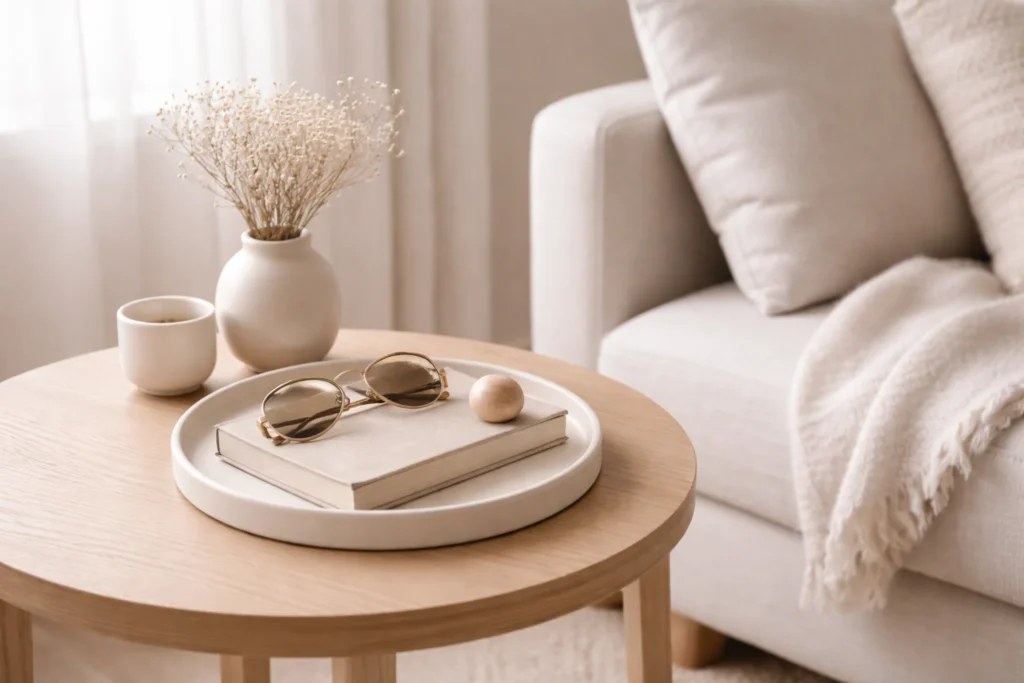
- a tray on a side table
- a small container near your bed
These micro zones reduce friction. You are not thinking about organizing, you are simply placing items where they already belong.
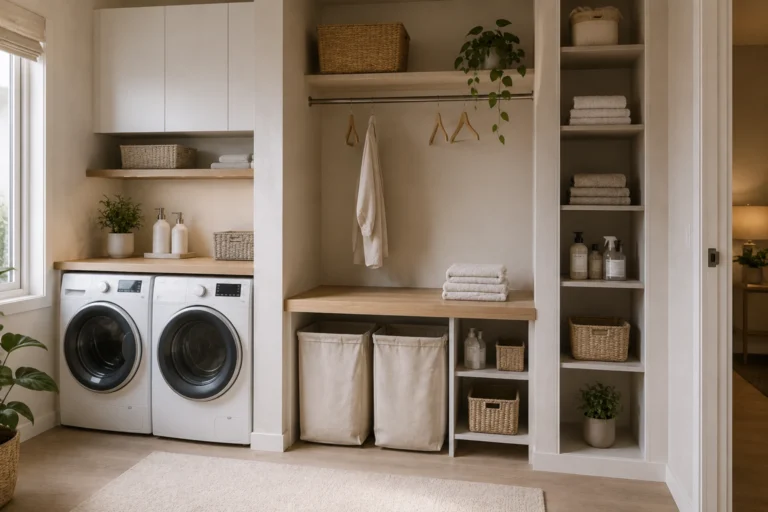
4. Flexible Drop Zones Using Simple Containers
You do not need to install anything permanent.
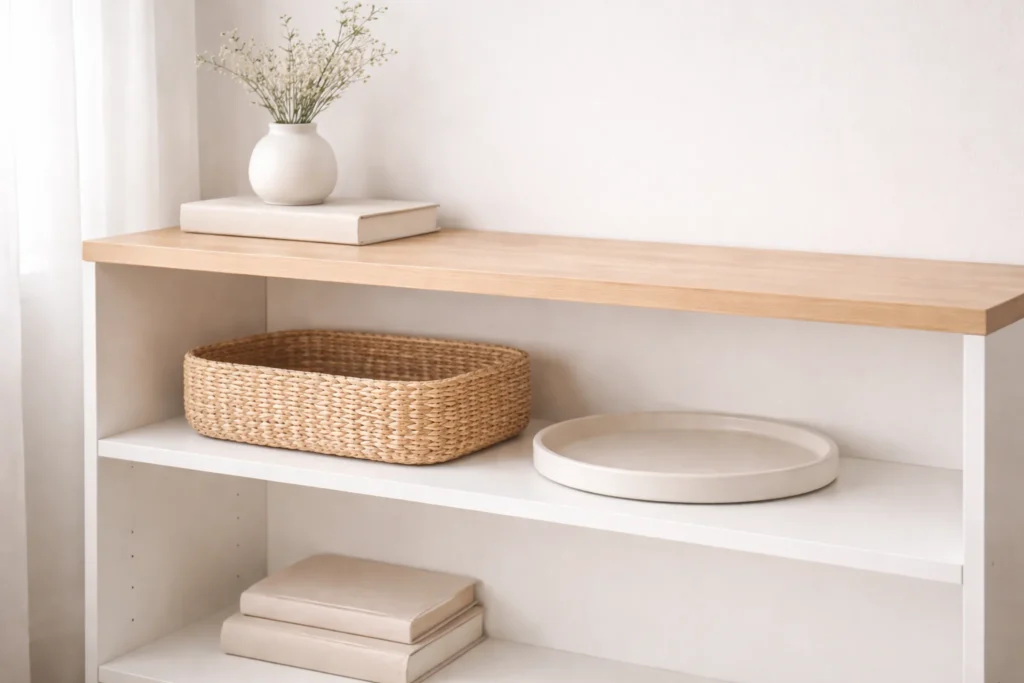
Baskets, trays, and small bins can create effective drop zones without changing your space.
You can find a variety of simple options through Target that work well for small spaces and blend easily into your home.
The key is not the container itself, but how consistently it is used.
How to Create a Drop Zone Without Adding More Clutter
A drop zone should simplify your space, not add to it.
Keep it:
- small
- visible
- easy to use
If it becomes too large or too full, it turns into another storage problem.
Limit each drop zone to a specific purpose. This keeps the system clear and easy to maintain.
Common Drop Zone Mistakes That Make Clutter Worse
Even simple systems can break if they are not used intentionally.
Too many drop zones
When everything becomes a drop zone, nothing feels organized.
No clear purpose
Mixing unrelated items creates confusion.
Letting items sit too long
Drop zones are temporary holding areas, not permanent storage.
Keeping them light and focused makes them effective.
A Small System That Changes How Your Space Feels
Drop zone storage systems for small spaces are subtle, but they have a lasting impact.
Instead of reacting to clutter, you begin to guide it. Items move through your space more naturally, and surfaces stay clearer without constant effort.
Over time, your home starts to feel calmer, not because you added more storage, but because everything has a place to land when it matters most.