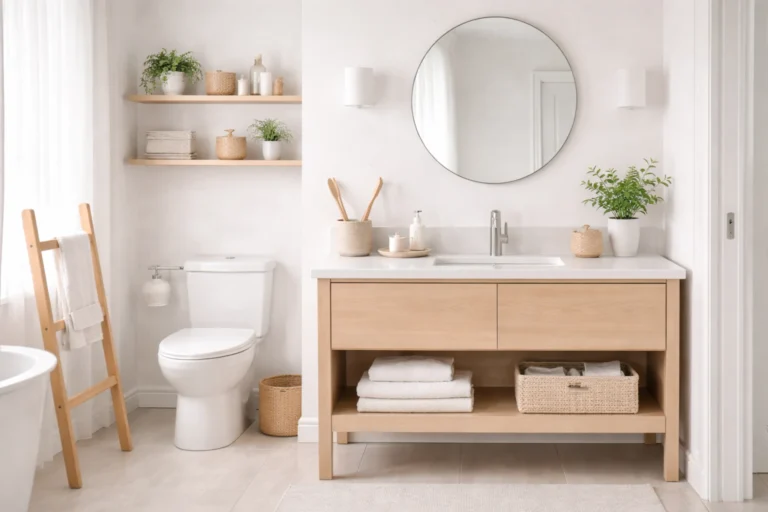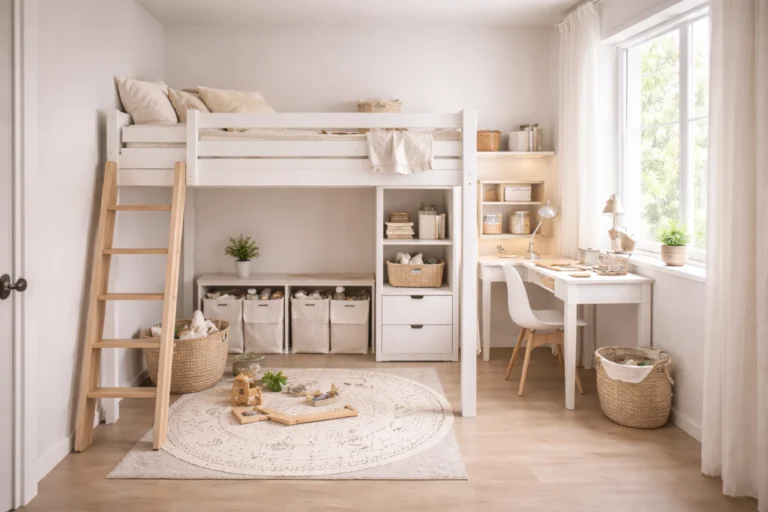
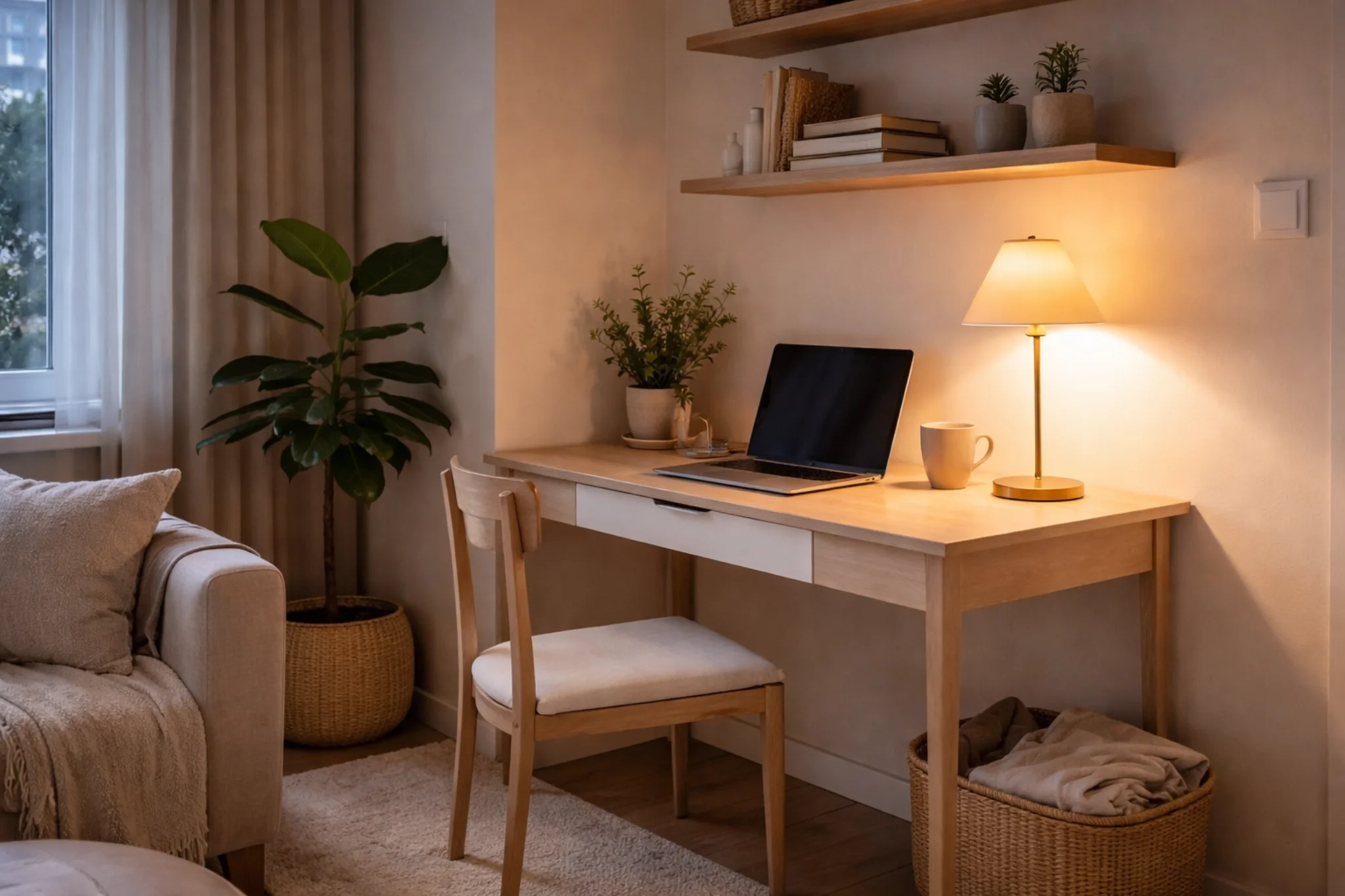
Effortless Small Home Office Zoning Ideas That Make Work Feel More Balanced
Small home office zoning ideas can completely change how your space feels
Small home office zoning ideas are not just about where you place a desk. They are about how your space supports your day, your focus, and your ability to step away from work when it’s time to rest.
In small homes, everything overlaps. Your desk might sit beside your bed or share space with your dining table. Without clear zones, your mind stays in work mode longer than it should. Over time, that creates quiet stress.
The goal here is not perfection. It is creating gentle separation, even in one room, so your space feels more balanced and easier to live in.
Why Small Spaces Need Invisible Boundaries
Even if your home office is just a corner, your brain still needs signals. Without them, work and life blend together.
Simple cues like lighting, layout, and organization can help define where work begins and ends. This is where thoughtful systems matter. If you already use zoned storage systems in your home, you will notice how much easier it is to stay organized and focused.
You can explore ideas around structured zones through natural systems that reduce clutter, like those shared in guides about creating better flow across your space by building calm home systems that work effortlessly.
Small shifts create real separation, even without walls.
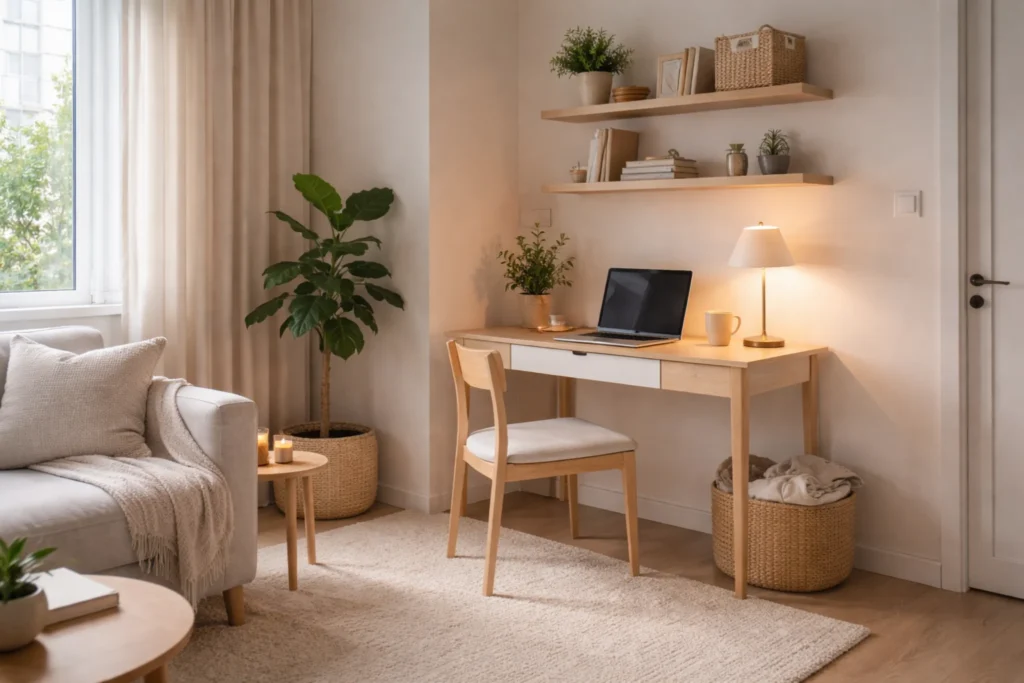
Small Home Office Zoning Ideas That Actually Work
These small home office zoning ideas focus on real-life use. Nothing complicated, just practical changes that feel natural.
1. Use Furniture to Define Your Zone
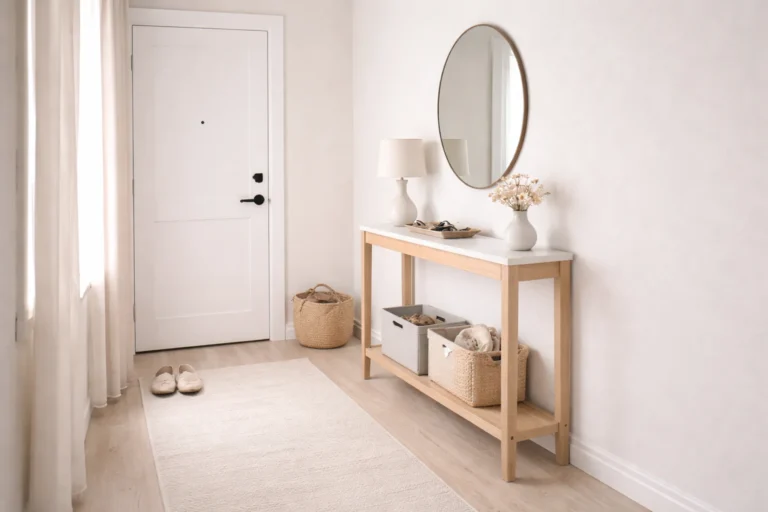
A slim desk, a narrow shelf, or even a side table can create a clear boundary. Pieces that double as storage work especially well. If you are exploring multi-purpose storage furniture, you will find that it naturally separates work items from daily clutter.
You can also draw inspiration from flexible pieces offered by IKEA, where many designs are made specifically for small, shared spaces.
2. Create a Visual Shift with Lighting
Lighting changes everything. A small desk lamp or warmer light tone can signal “work mode,” while softer ambient lighting signals rest.
This simple shift helps your brain transition without needing more space.
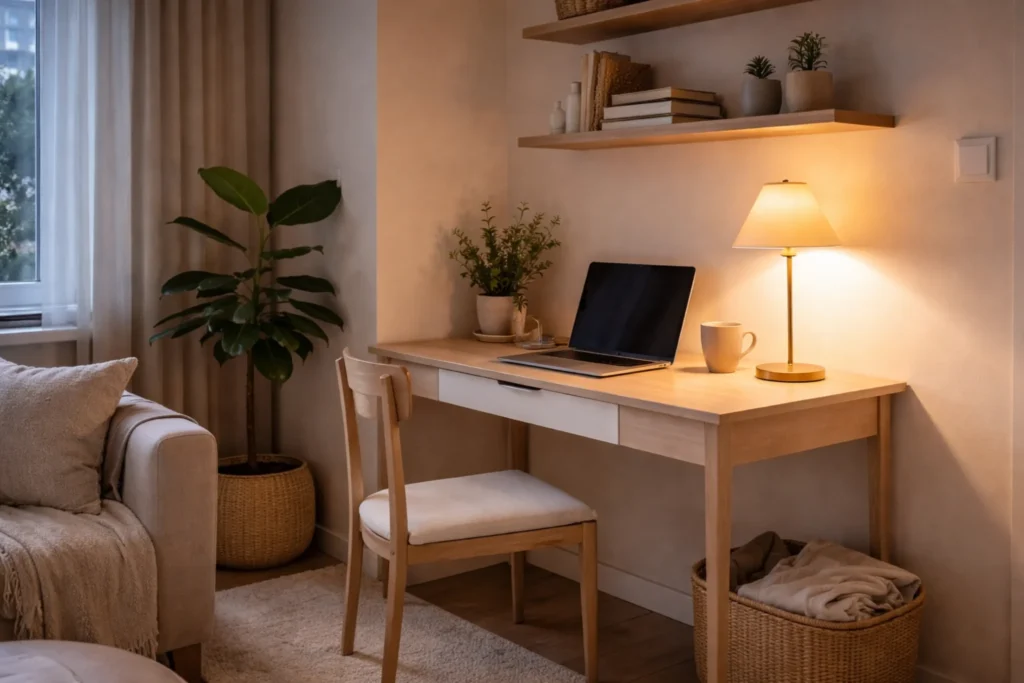
3. Keep Work Surfaces Clearly Defined
Try to keep your work area visually distinct. Even if it is a shared table, use a tray, mat, or small organizer to define your zone.
This approach pairs well with structured storage zones that keep items contained and easy to reset.
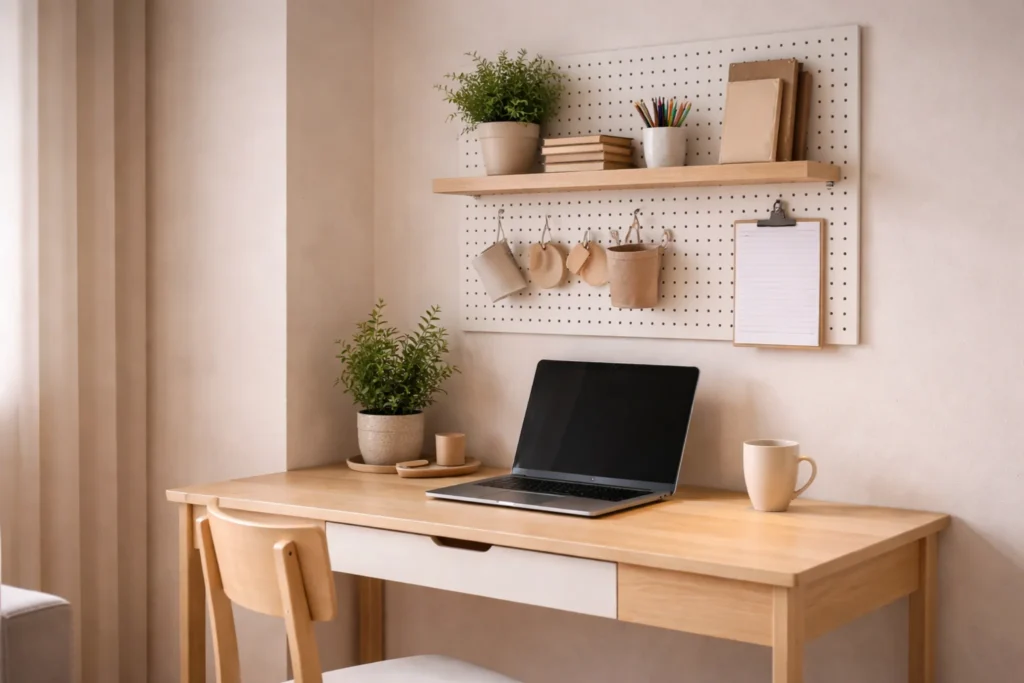
4. Use Vertical Space for Subtle Separation
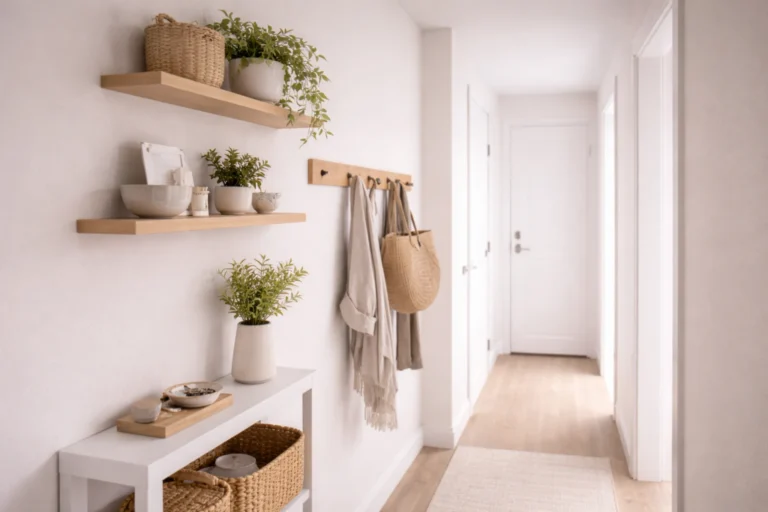
Walls are often underused. Adding a small shelf, pegboard, or vertical organizer helps keep work items off shared surfaces.
If you want to go further, using vertical storage ideas can help maintain order without taking up floor space.
5. Try Portable Zoning for Flexible Spaces
If your workspace needs to disappear at the end of the day, use a small box or basket to hold your essentials.
When you bring it out, you are “starting work.” When you put it away, you are done.
This simple habit creates a strong mental boundary without needing permanent furniture.
How to Reset Your Workspace Without Packing Everything Away
Zoning is not just about setup. It is also about how you close your day.
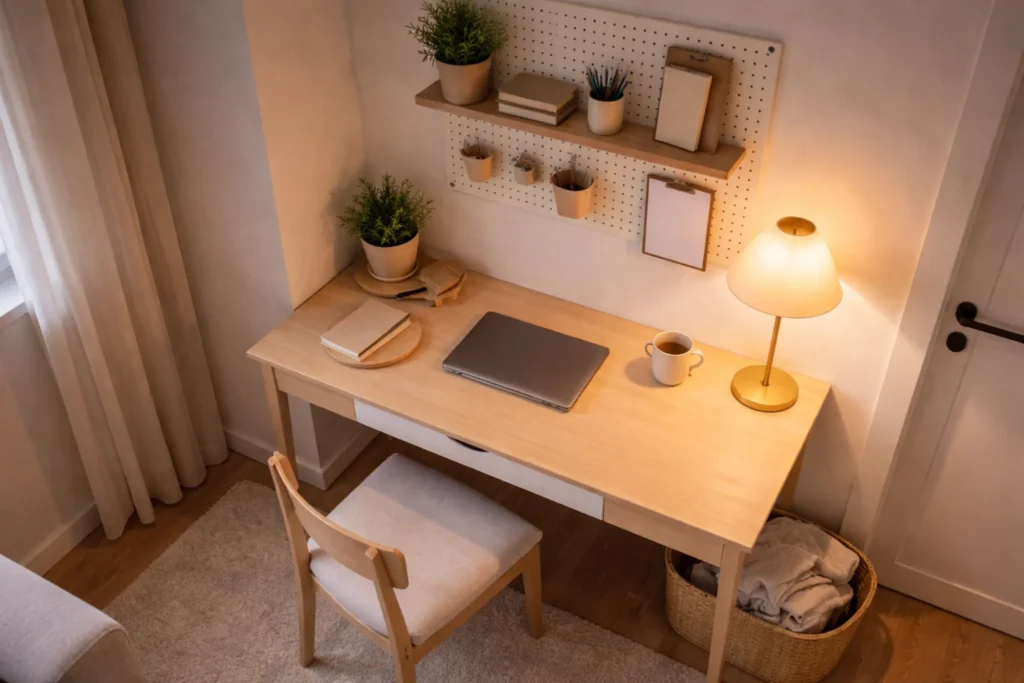
You do not need to pack everything away completely. A quick reset can be enough. Wipe your desk, stack your items neatly, and turn off your task lighting.
If you want a simple structure to follow, building a simple daily reset routine can make this process feel automatic and calming.
Common Small Home Office Mistakes That Blur Boundaries
Even small habits can make your space feel more chaotic than it is.
Leaving work items visible all day
When work tools stay in sight, your brain stays active. Even when you are trying to relax.
Mixing storage without clear zones
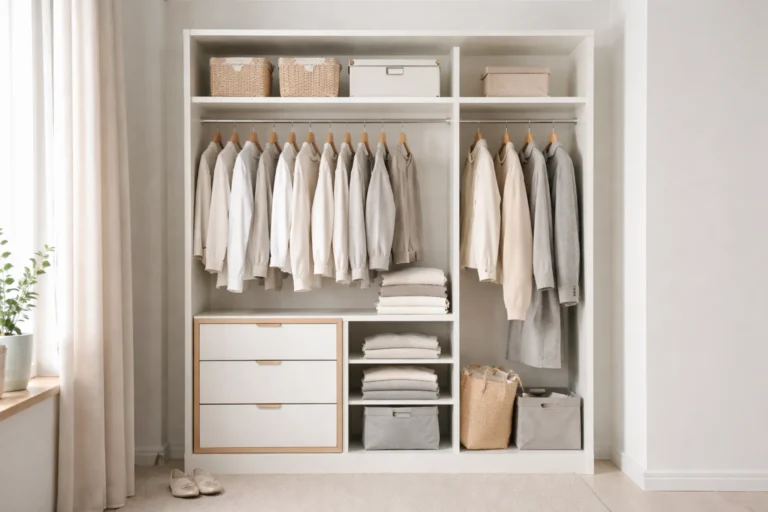
When everything is stored together, it becomes harder to mentally separate tasks. Using defined areas, even small ones, helps keep things clear.
No end-of-day signal
Without a clear “stop” moment, work slowly stretches into your evening.
Making Your Space Feel More Balanced Over Time
You do not need a perfect home office to feel balanced. You just need a few clear signals that guide your day.
Small home office zoning ideas work best when they are simple, repeatable, and aligned with how you actually live.
Over time, these small adjustments begin to feel natural. Your space becomes easier to use, easier to maintain, and easier to leave behind at the end of the day.
And that quiet shift is what makes a small space truly work.