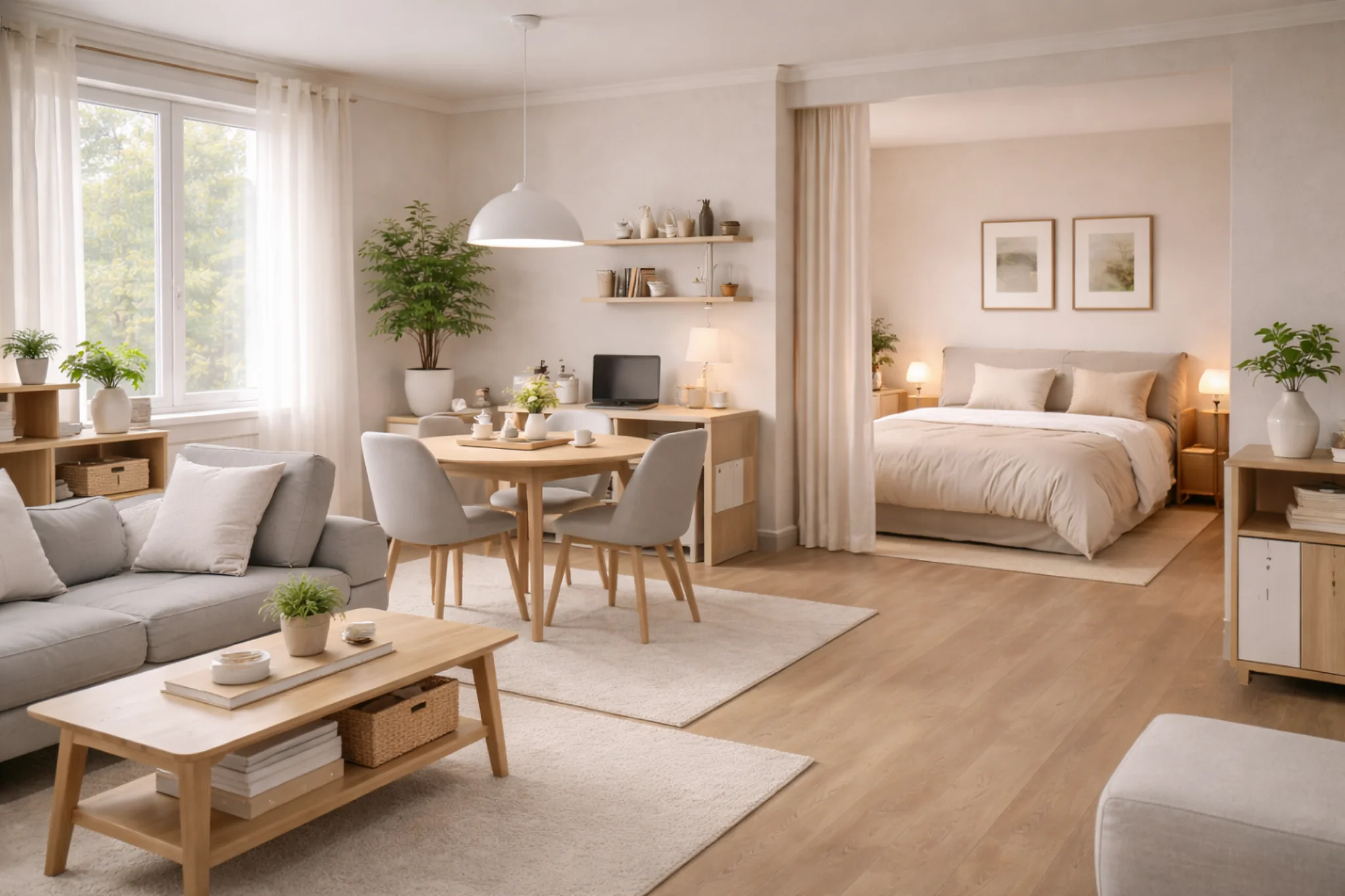
Smart Space Living: Practical Design Ideas for Small Homes That Truly Work
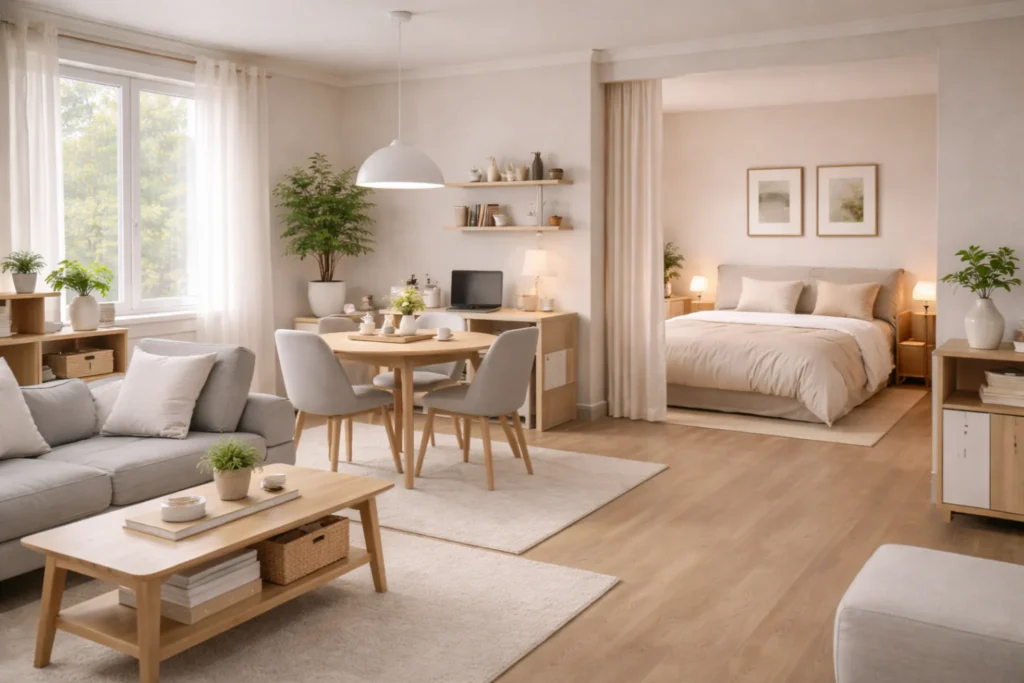
Smart space living is not about squeezing more furniture into less room. It is about designing with intention, choosing layouts that support daily life, and making every square meter feel calm instead of crowded. Whether you live in a studio apartment, a compact condo, or a small family home, the right approach can completely change how your space feels and functions.
At Smart Space Finds, we focus on practical, realistic ideas that work for real homes, real budgets, and real routines. This guide brings together the core principles of smart space living so you can create a home that feels open, organized, and easy to live in.
What Smart Space Living Really Means
Smart space living is the balance between function, flow, and comfort. It prioritizes how you move through your home, how often you use certain areas, and how storage supports your habits instead of fighting them.
In smaller homes, every decision matters more. Layouts, lighting, and storage choices either reduce friction or add to it. These ideas apply across every room, from kitchens to bedrooms, and even compact bathrooms.
Designing Layouts That Feel Bigger Without Adding Space
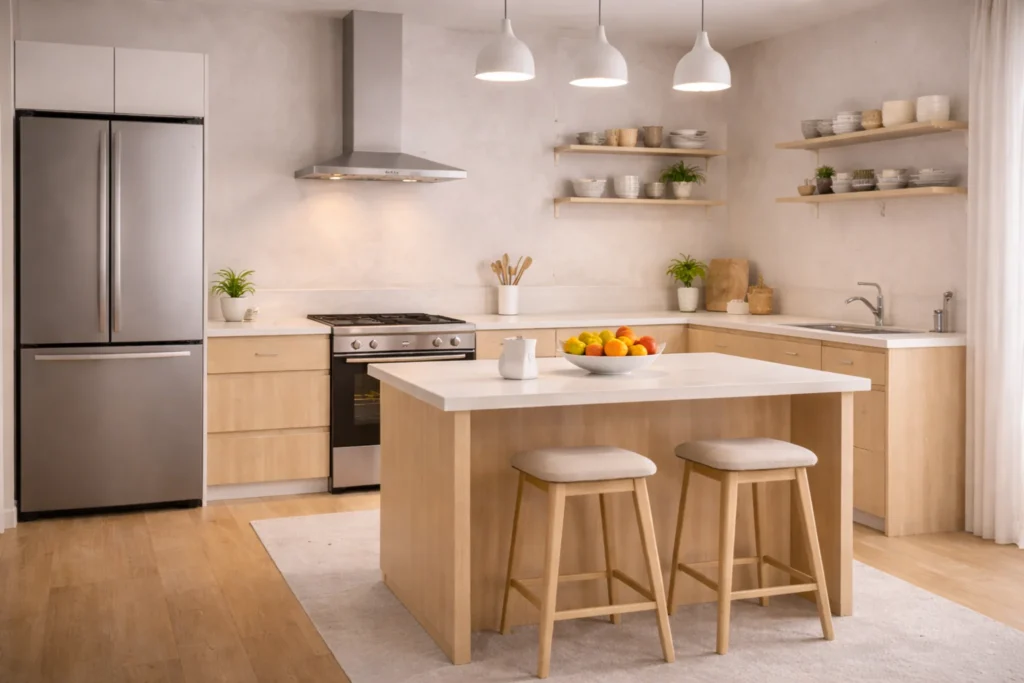
One of the most impactful smart space living strategies is layout planning. A well-designed layout can make even a small room feel breathable.
Instead of thinking in terms of rooms, think in zones:
- Sleeping
- Working
- Dining
- Relaxing
- Storage
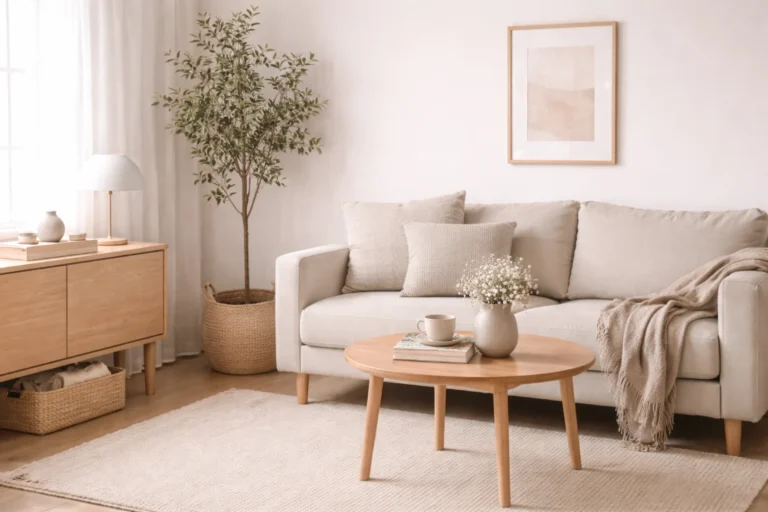
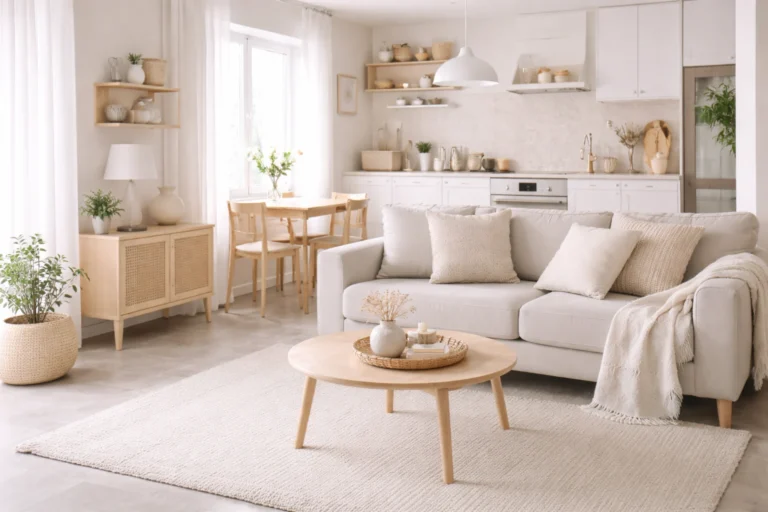
Each zone should be visually clear without heavy dividers. Rugs, lighting changes, and furniture placement can define spaces without blocking light or movement. This approach is especially helpful in shared spaces like the living room. You can see practical examples in our guide on small living room layout ideas for beginners, which shows how zoning improves flow in tight spaces.
Storage That Supports Daily Life, Not Visual Clutter
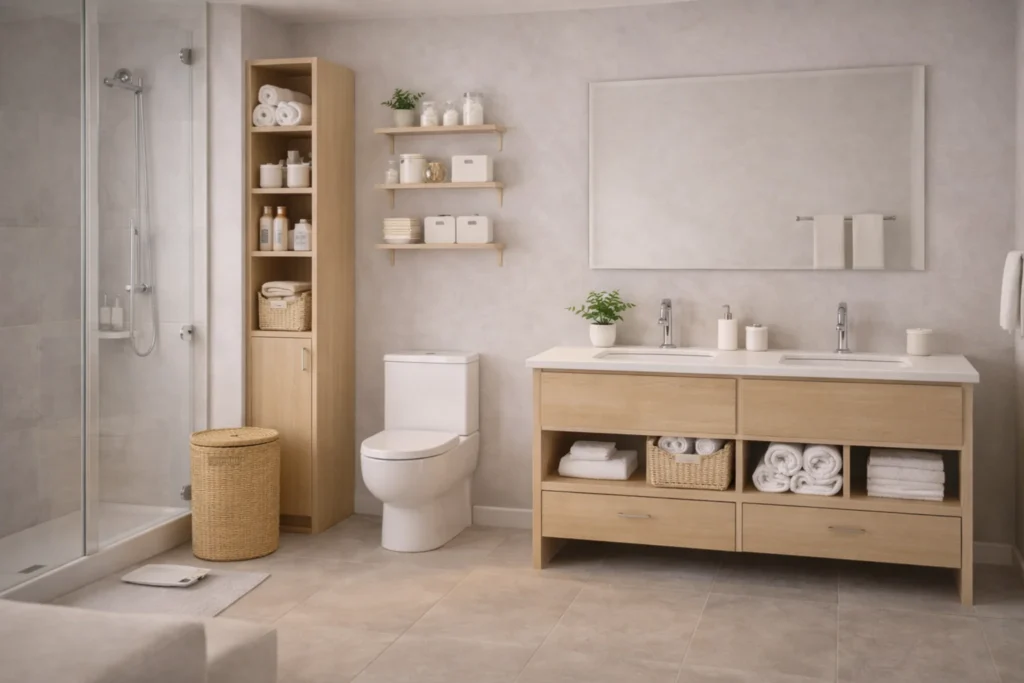
Storage is often where small homes struggle the most. Too little storage leads to clutter, but poorly planned storage can make a space feel heavy.
Smart storage focuses on:
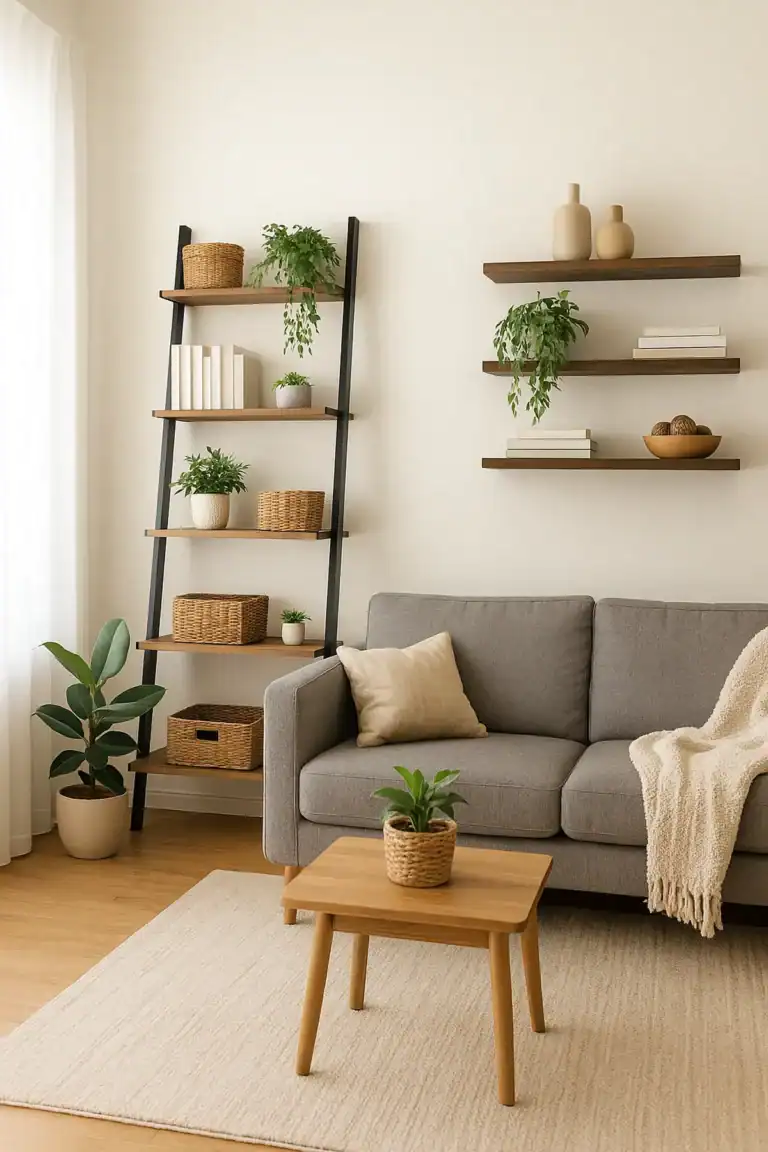
- Vertical space instead of floor space
- Closed storage for visual calm
- Easy access for everyday items
- Flexible systems that evolve with your needs
For deeper examples, our storage and organization guides explore how shelves, bins, and multi-purpose furniture can store more without overwhelming a room.
Choosing Furniture That Fits the Space, Not the Other Way Around
Furniture scale plays a major role in smart space living. Oversized pieces reduce flexibility and block natural movement.
Better furniture choices often include:
- Slim profiles
- Open bases that visually take up less space, as shown in our compact seating ideas for small living rooms
- Multi-use pieces that serve more than one function
- Neutral finishes that visually recede
This mindset applies well to dining areas too. Our small dining room ideas demonstrate how right-sized furniture preserves openness without sacrificing comfort.
Lighting as a Space-Enhancing Tool
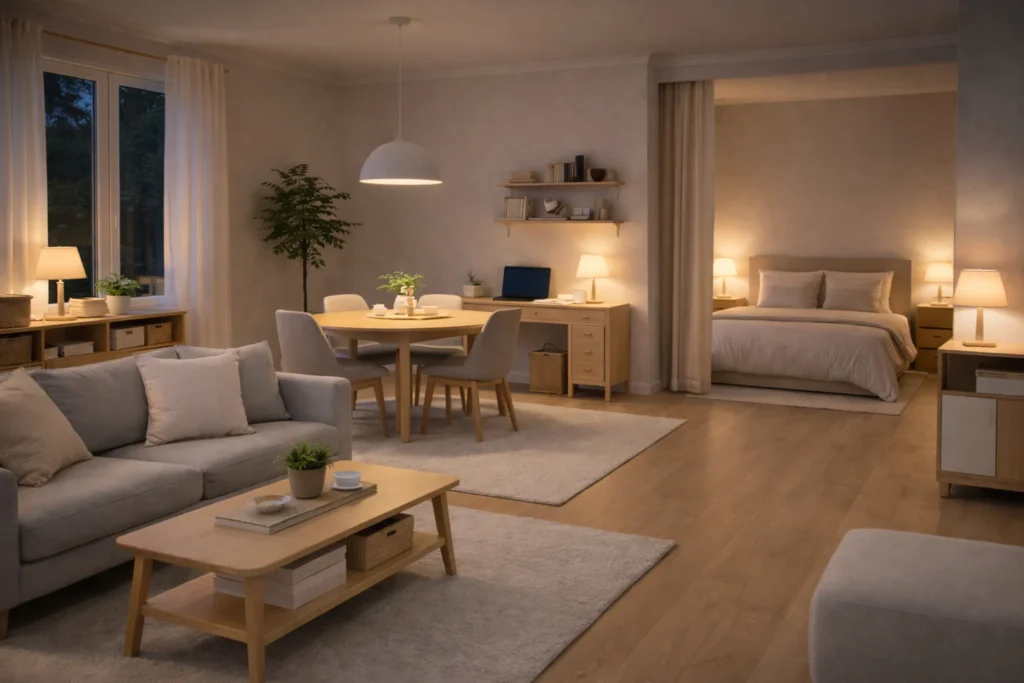
Lighting is one of the most overlooked elements in small homes. The right lighting can make walls feel farther apart and ceilings feel higher.
Effective lighting strategies include:
- Layered lighting instead of a single overhead source
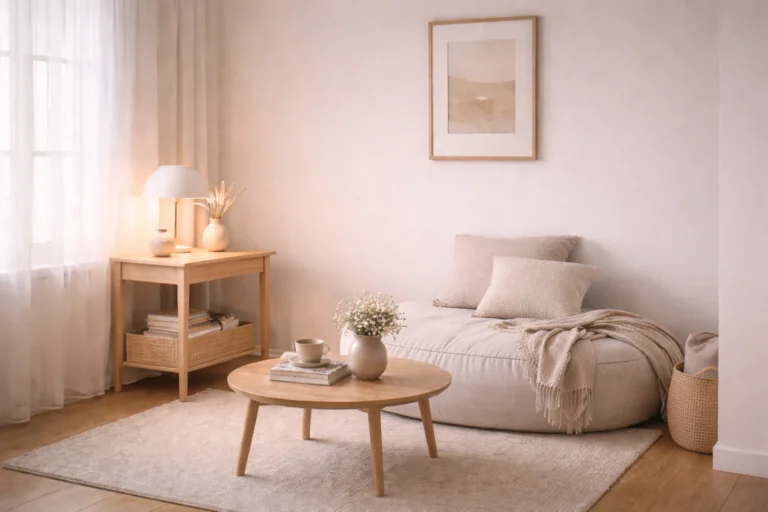
- Warm, diffused light for comfort
- Strategic placement to eliminate dark corners
- Reflective surfaces to bounce light naturally
Bathrooms benefit especially from this approach. In our small bathroom layout ideas for beginners, subtle lighting changes dramatically improve how confined spaces feel.
Designing for Daily Routines, Not Just Aesthetics
Smart space living works best when your home supports your daily rhythm. Spaces should feel intuitive, not staged.
Ask yourself:
- Where do items naturally land?
- Which areas feel cramped during busy moments?
- What slows you down or creates friction?
For example, setting up simple drop zones or storage habits, similar to those used in entryway organization ideas for small apartments, can prevent clutter from spreading into living areas.
Creating a Cohesive Look That Feels Calm
Visual consistency helps a small home feel unified rather than fragmented. This does not mean everything must match, but materials, tones, and finishes should feel intentional.
Common smart space palettes include:
- Soft whites and warm neutrals
- Light wood tones
- Matte finishes over high-gloss
- Minimal contrast in large surfaces
This cohesion is especially effective when combined with practical storage, as seen across many of our room-by-room guides.
Where Smart Space Living Comes Together
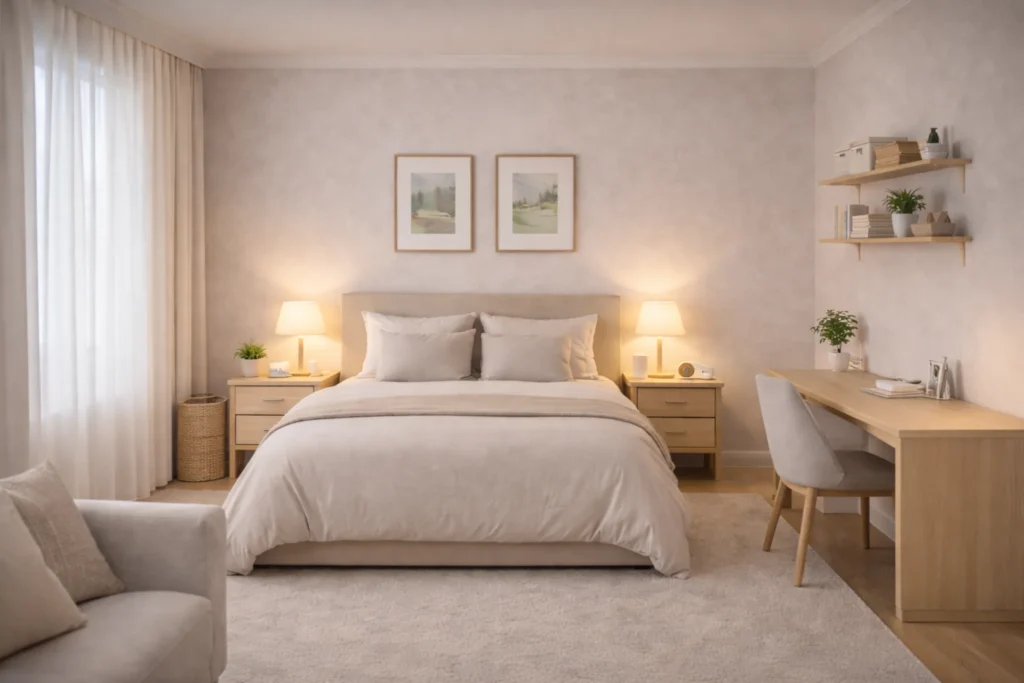
Smart space living is not about perfection. It is about creating a home that works with you instead of against you. Small homes have unique advantages when designed thoughtfully, including easier maintenance, stronger visual harmony, and a greater sense of control over your environment.
This pillar guide anchors everything you will find on Smart Space Finds. From here, you can explore room-specific layouts, storage solutions, and smart upgrades that build on these core principles.
Your space does not need to be bigger. It just needs to be smarter.