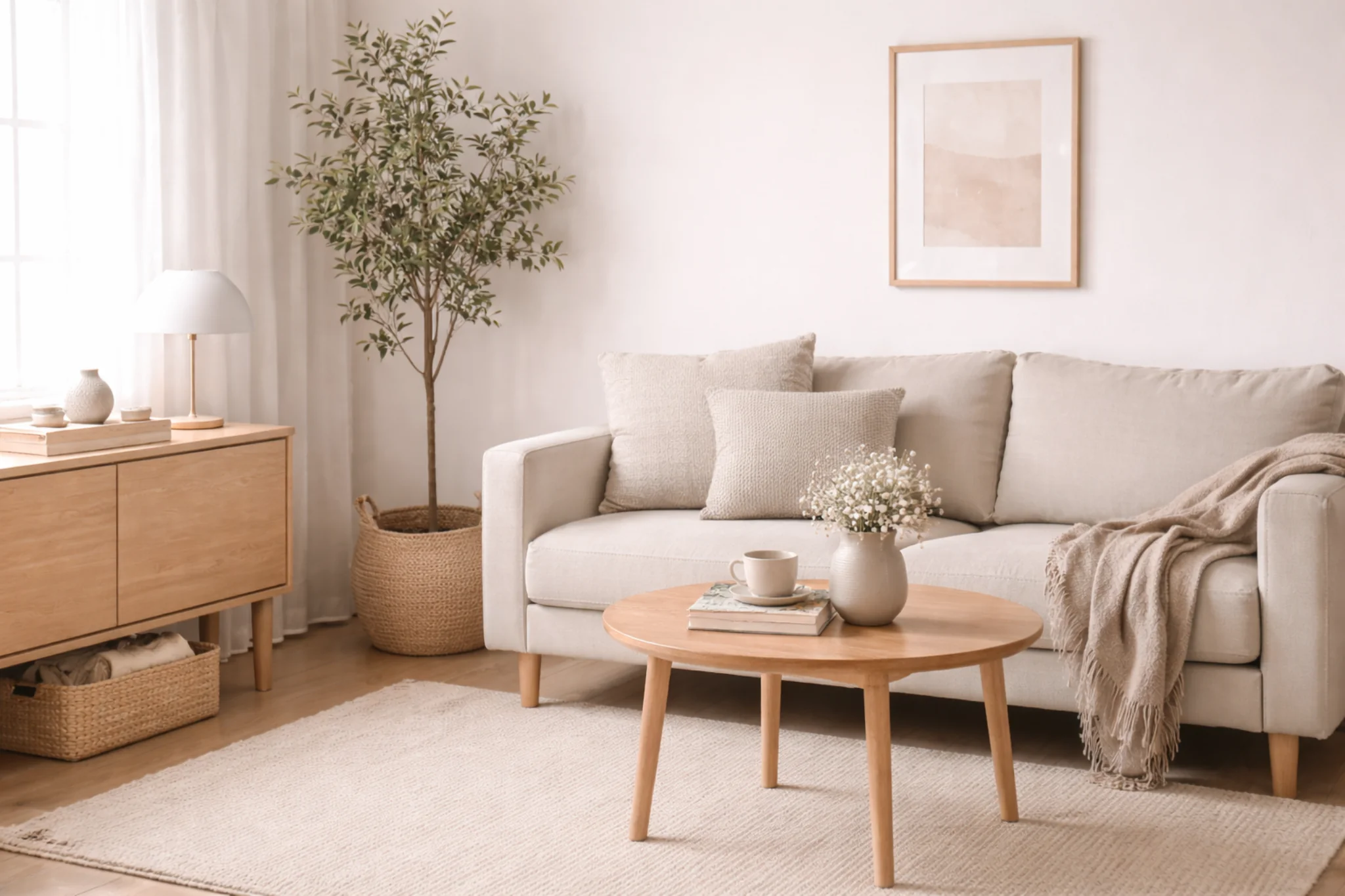
The Emotional Benefits of Small Space Living That Gently Change Everything
The emotional benefits of small space living are rarely talked about, yet they are often the reason people quietly fall in love with compact homes. It is not just about saving money or fitting furniture. It is about how a small environment shapes mood, habits, and the way a day flows.
When your home is smaller, every corner becomes intentional. Every object has a reason to exist. That subtle shift changes how you feel when you walk through the door. Instead of managing space, you begin experiencing it.
Small homes are not a compromise. For many people, they are an emotional upgrade.
Small spaces reduce mental noise
One of the strongest emotional benefits of small space living is how quickly visual calm translates into mental calm. Large homes often invite accumulation. Empty rooms ask to be filled. Open surfaces attract clutter. Over time, the environment becomes louder than you realize.
A compact home naturally limits excess. You become selective. You choose what stays. That boundary is not restrictive, it is protective.
When there are fewer visual decisions competing for attention, the brain relaxes. Studies on environmental psychology show that clutter increases stress hormones. A smaller footprint makes it easier to maintain clarity, which quietly lowers daily tension.
If you want to explore the practical side of creating that clarity, the framework inside Storage & Organization That Actually Works for Small Spaces connects mindset with real systems that support calm living.
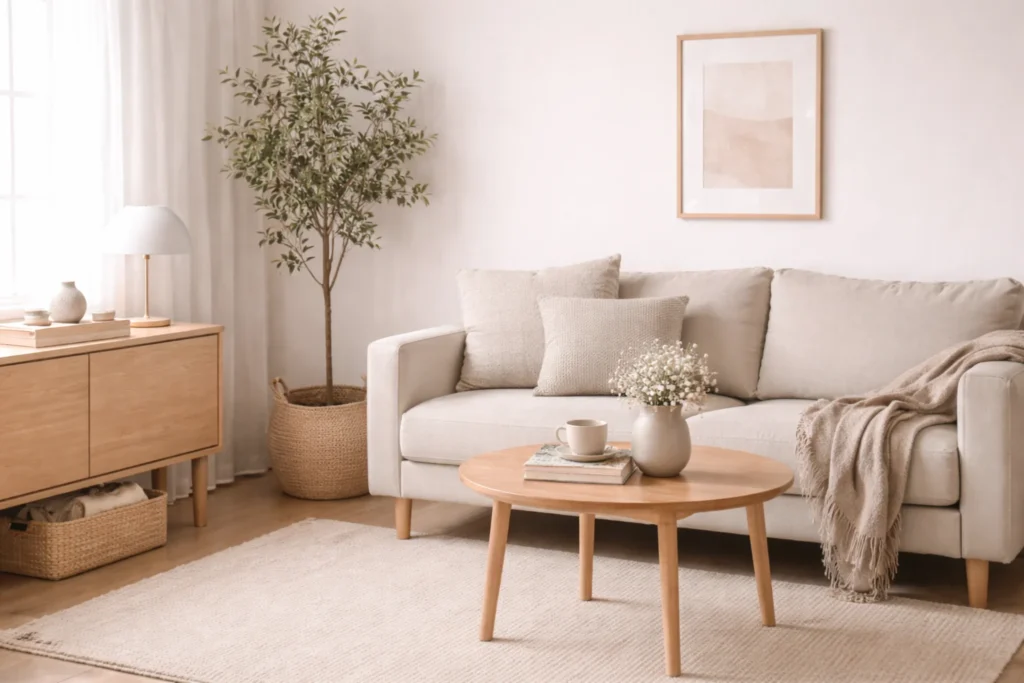
The emotional comfort of intentional living
Small homes encourage a kind of honesty with your belongings. You cannot hide excess in a distant room. Everything you keep participates in your daily life.
That closeness creates emotional warmth. Items are not forgotten, they are used. Spaces are not decorative, they are lived in. Even routines become more intimate. Morning coffee happens within a few steps. Evening wind-down feels contained, safe, and grounded.
This is where the emotional benefits of small space living become deeply personal. You are not managing square footage. You are curating experiences.
Design choices matter more in compact homes, which is why principles from Smart Space Living: Practical Design Ideas for Small Spaces help reinforce that intentional feeling without overcomplicating your environment.
A small home makes maintenance emotionally lighter
Cleaning a large house can feel like an unfinished sentence. There is always another room waiting. That low-grade awareness sits in the background of your mind.
In contrast, maintaining a small home is achievable. You can reset a room in minutes. You can finish a task completely. That sense of closure is emotionally powerful.
A quick evening reset becomes a ritual rather than a burden. It supports rhythm. Many people discover that compact homes allow them to spend more time living and less time maintaining.
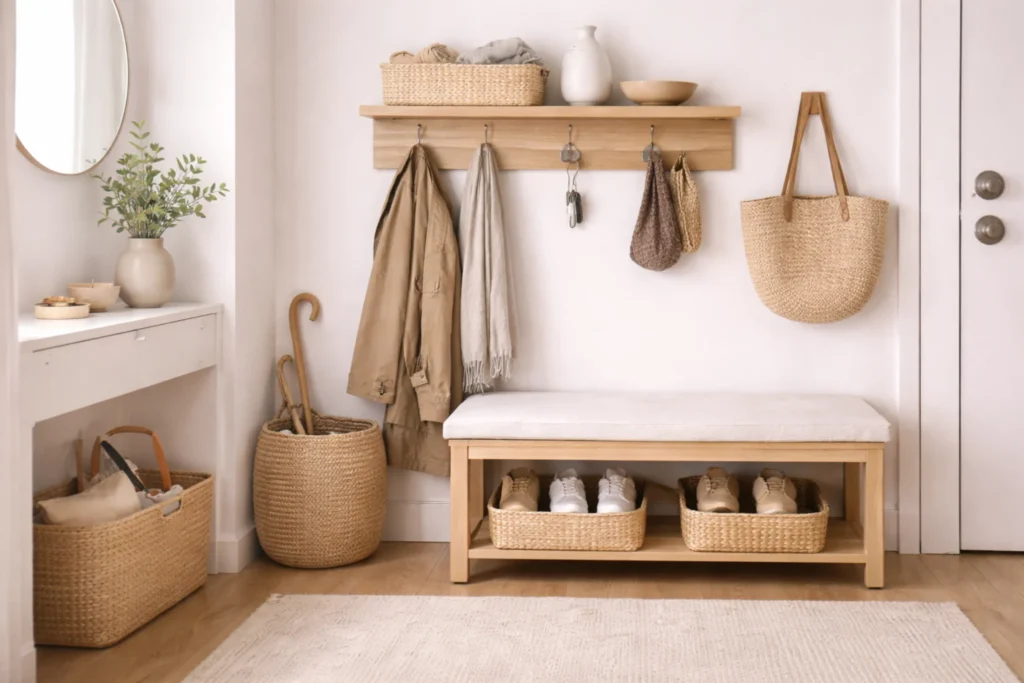
Practical examples of this show up in real layouts like those in the Entryway & Hallway Room Guide, where small transitions are designed to absorb daily clutter before it spreads through the home.
Financial breathing room creates emotional freedom
While this article focuses on feelings rather than budgets, it would be dishonest to ignore the emotional relief that often comes with lower housing costs.
Smaller homes typically mean:
- lower rent or mortgage
- reduced utility bills
- fewer furnishing expenses
- less impulse buying
That financial margin translates directly into emotional safety. It allows room for travel, savings, hobbies, or simply breathing easier.
Even modest changes like choosing multi-use furniture, similar to the compact storage pieces available through IKEA’s small space collections, can stretch both space and budget without sacrificing comfort.
Money stress quietly affects how a home feels. A smaller footprint often softens that pressure.
Small homes strengthen daily connection
There is something subtle about proximity. In compact homes, people cross paths more often. Conversations happen accidentally. Shared spaces become active rather than symbolic.
For families or couples, this can increase emotional closeness. For solo dwellers, it fosters a stronger relationship with the environment itself. You become aware of light changes, sound, temperature, and rhythm.
The emotional benefits of small space living are not about shrinking life. They are about amplifying presence.
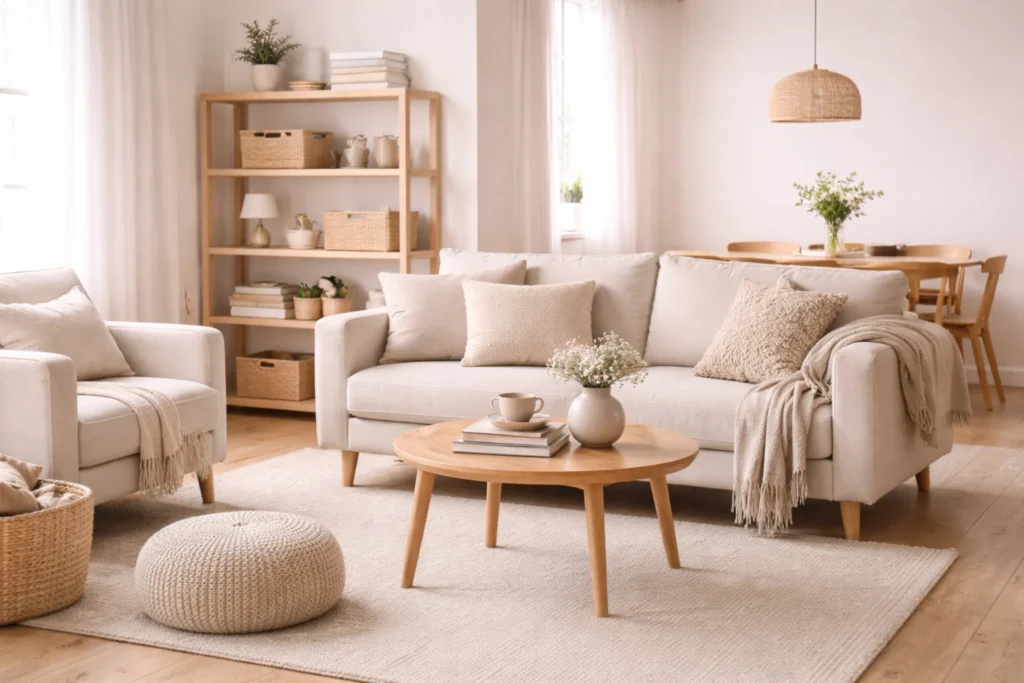
Compact living encourages gratitude
When space is limited, abundance looks different. Instead of measuring success by square footage, you begin measuring it by comfort, function, and atmosphere.
Gratitude becomes easier because the environment constantly reflects intentional choice. Each object earned its place. Each zone serves a purpose.
This mindset shift is one of the most overlooked emotional benefits of small space living. It rewires how satisfaction is defined. Less comparison. More appreciation.
A gentle closing thought
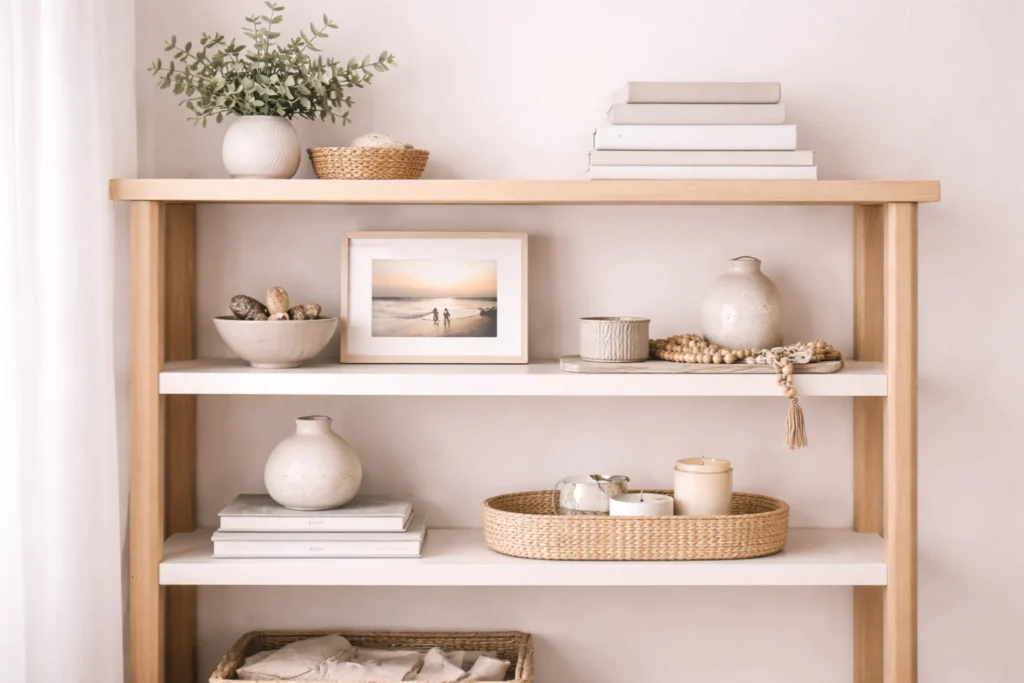
A small home does not shrink your life. It refines it. The emotional benefits of small space living come from clarity, intention, and the quiet confidence that your environment supports you rather than overwhelms you.
Compact spaces invite you to participate in your home instead of managing it. They remove excess so presence can expand. And in a world that constantly asks for more, choosing less can feel surprisingly expansive.
Sometimes the softest spaces hold the deepest sense of freedom.