Weekly Flow Routines Small Homes Use to Keep Rooms Connected
Weekly flow routines small homes depend on are not about cleaning harder. They are about protecting how rooms hand off to each other. In compact spaces, one drifting zone affects every other zone. A cluttered entry spreads into the living room. An overloaded kitchen pressures the table. A stalled laundry cycle disrupts the bedroom.
Small homes behave like ecosystems. Weekly flow is the rhythm that keeps the ecosystem stable.
This is not a chore list. It is a cross-room operating system that keeps your apartment moving smoothly instead of fighting itself.
Why Weekly Flow Routines Small Homes Need Are About Room Transitions
Daily resets calm surfaces. Weekly flow protects relationships between spaces.
When rooms stop handing off cleanly, friction multiplies. Items migrate. storage zones overload. shared surfaces lose definition. The home feels crowded even when nothing new has entered it.
Weekly flow routines small homes use prevent that slow drift. They reconnect zones before pressure spreads.
If you already practice nightly resets, this framework expands the rhythm described in A Calm Daily Reset Routine for Small Homes. Daily resets stabilize moments. Weekly flow stabilizes structure.
The 4-Part Weekly Flow Framework That Protects Room Balance
Instead of cleaning rooms individually, weekly flow supports how zones interact.
Each week touches four structural movements:
Rotation
Reset
Rebalance
Release
These movements do not fix rooms. They protect flow between rooms.
Small homes function best when zones cooperate instead of competing.
Rotation – Keeping Movement Between Rooms Alive
Rotation ensures objects travel back to where they belong instead of settling permanently in the wrong zone.
Examples:
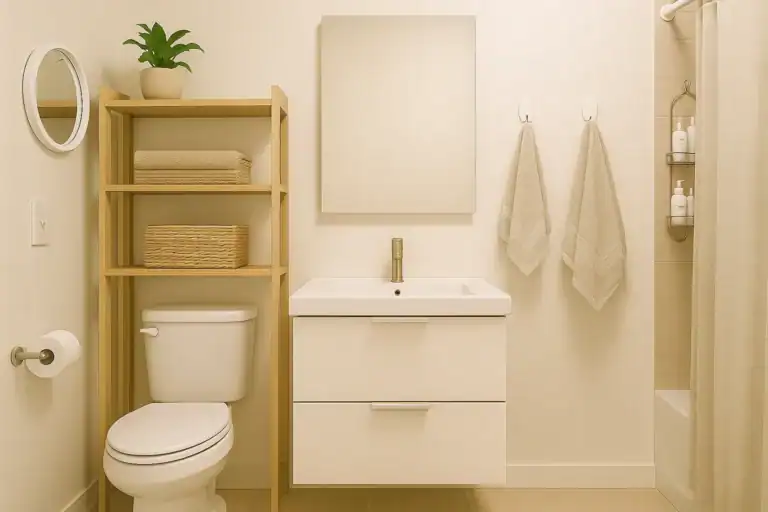
- Laundry cycling from bedroom → bathroom → storage
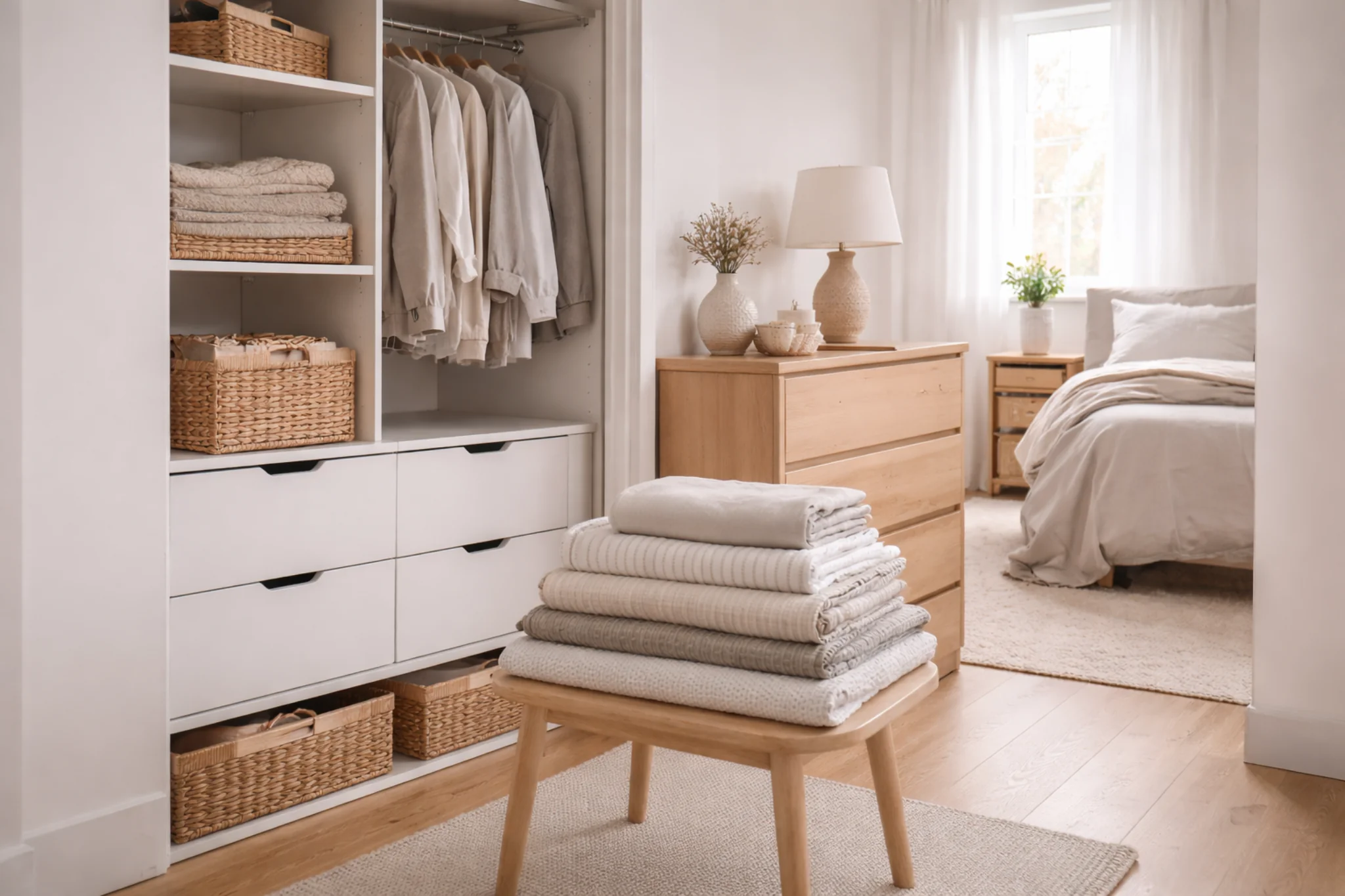
- Linens returning to closets instead of living areas
- Trash leaving shared zones quickly
- Food turnover preventing kitchen overflow
- Mail sorted before reaching tables
Rotation is circulation. When circulation stalls, rooms trap each other’s clutter.
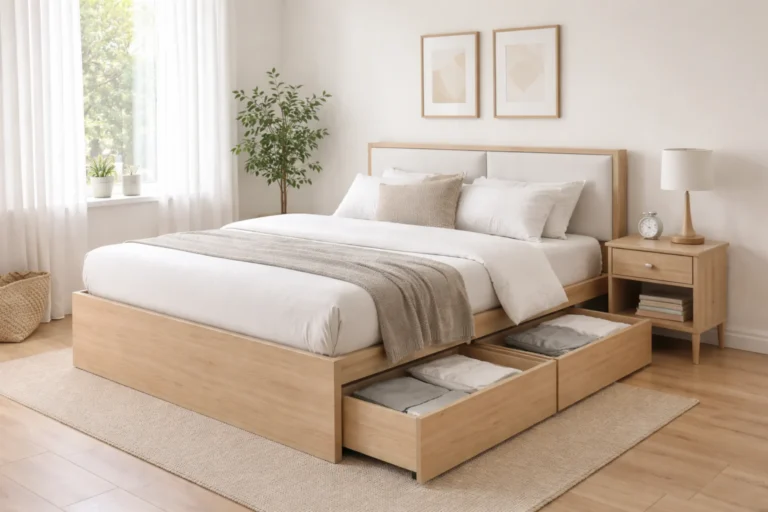
Flexible systems help maintain this movement. Infrastructure like those explored in Modular Storage Systems for Small Homes reduces resistance because storage adapts to changing flow instead of blocking it.
Rotation keeps rooms breathing.
Reset – Restoring Shared Surfaces Between Zones
Shared surfaces are bridges between rooms. When they overload, handoffs fail.
Weekly reset protects:
- Kitchen → dining transitions
- Entry → living room transitions
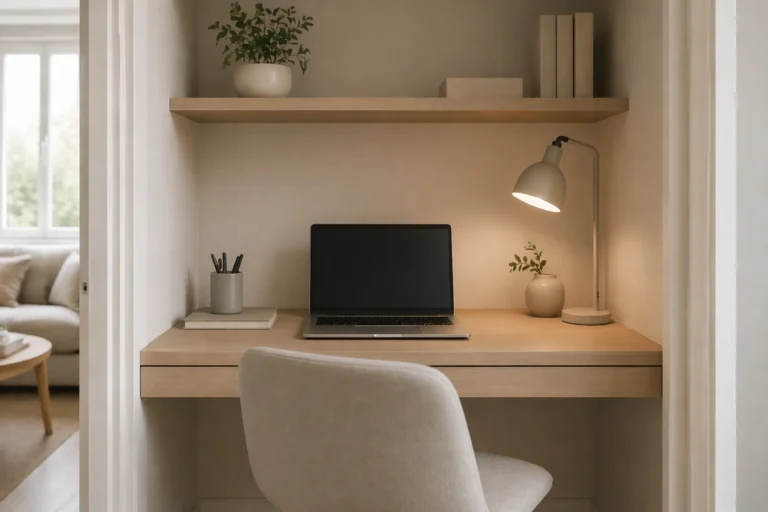
- Desk → rest zone transitions
- Bathroom → bedroom transitions
The goal is not shine. The goal is usability.
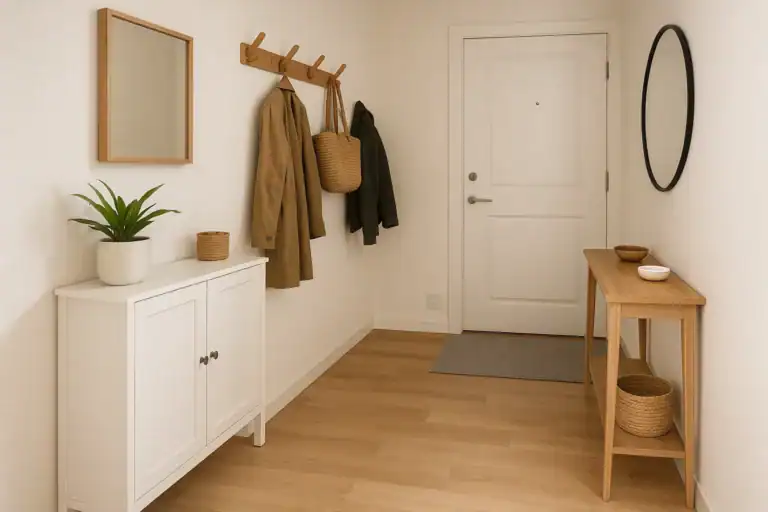
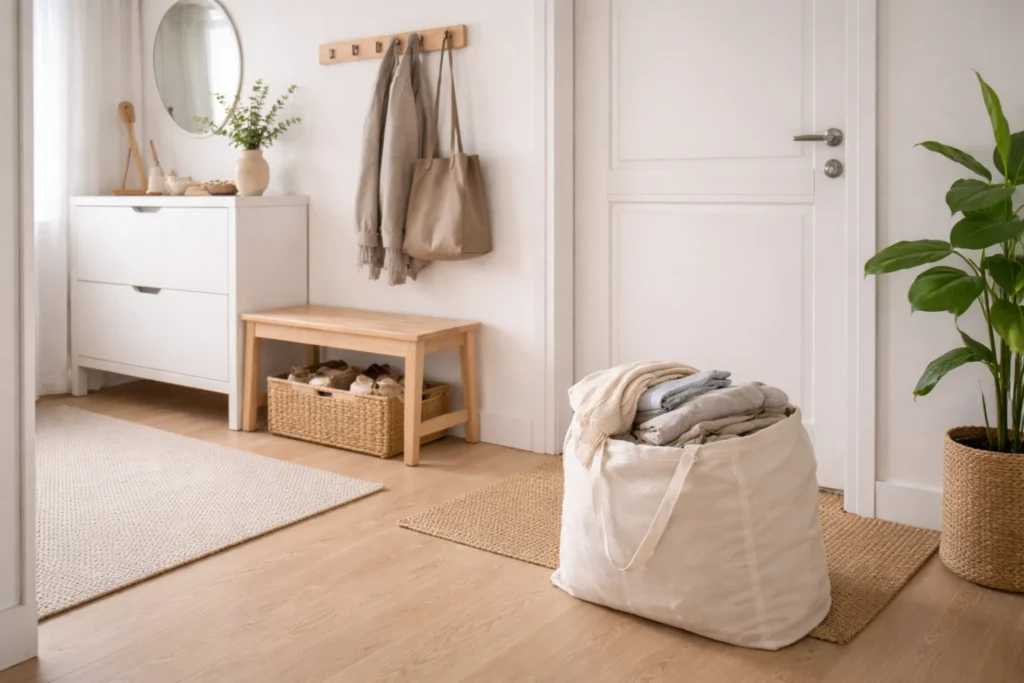
Entry zones benefit most from structural resets because they absorb outside energy before it spreads. Layout strategies like those in Small Entryway Ideas for Beginners support smoother transitions into the home.
Reset keeps bridges clear.
Rebalance – Correcting Drift Before Rooms Compete
Drift is inevitable. Rebalance prevents drift from becoming territorial conflict between zones.
Look for:
- Drawer overflow pushing into counters
- Shelf creep spilling into floors
- Storage baskets migrating into walkways
- Multi-use areas losing identity
Small homes require negotiation between rooms. Weekly rebalancing reminds each zone of its boundaries.
Containment tools matter here. Articles like Smart Drawer Organization Systems That Protect Small Spaces demonstrate how structure stabilizes edges between spaces.
Rebalance protects borders.
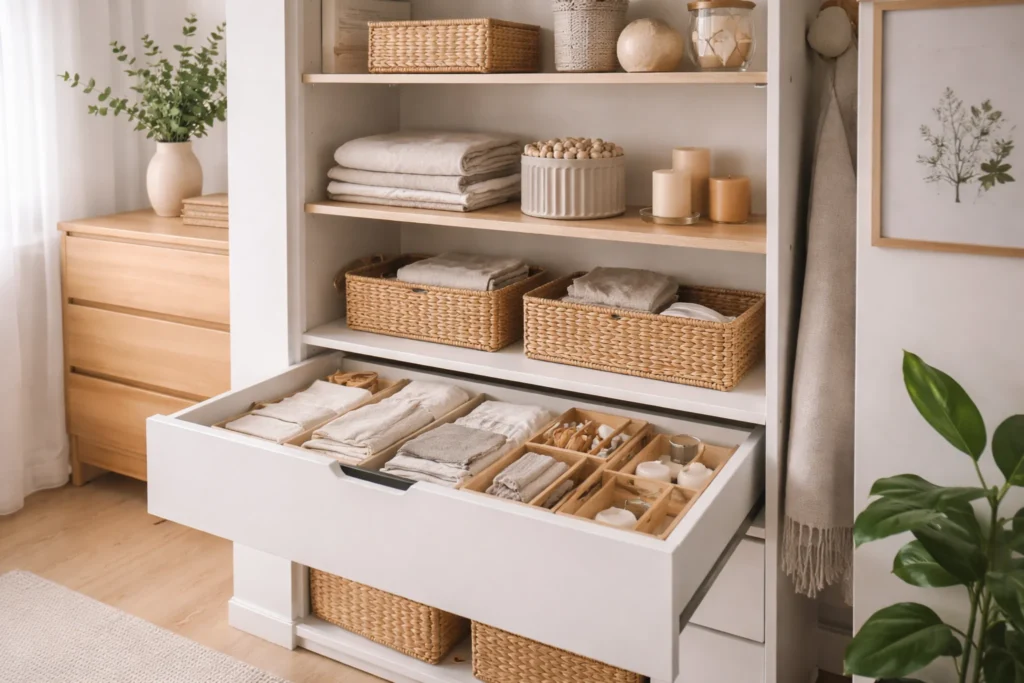
Release – Protecting Capacity Across the Home
Release prevents accumulation from choking shared systems.
Every item that stays demands space from another room.
Weekly release asks:
- What no longer serves this zone?
- What is blocking circulation?
- What is occupying capacity needed elsewhere?
Removing even one item preserves breathing room across the entire apartment.
This emotional side of release connects to ideas explored in Emotional Benefits of Small Space Living. Reduction protects clarity, not just storage.
Release preserves capacity.
How Long Weekly Flow Routines Small Homes Actually Require
Weekly flow is not a marathon. It is a calibration.
Typical pacing:
Rotation – 15 minutes
Reset – 15 minutes
Rebalance – 15 minutes
Release – 10 minutes
Total: under one hour
Split across two sessions if needed. Short calibrations maintain spatial harmony without fatigue.
Consistency keeps rooms aligned. Intensity is unnecessary.
Turning Weekly Flow Into a Spatial Ritual
When weekly flow feels ceremonial, rooms cooperate more easily.
Support the ritual with:
- Music
- Coffee or tea
- Soft lighting
- Same weekly anchor time
- Shared participation
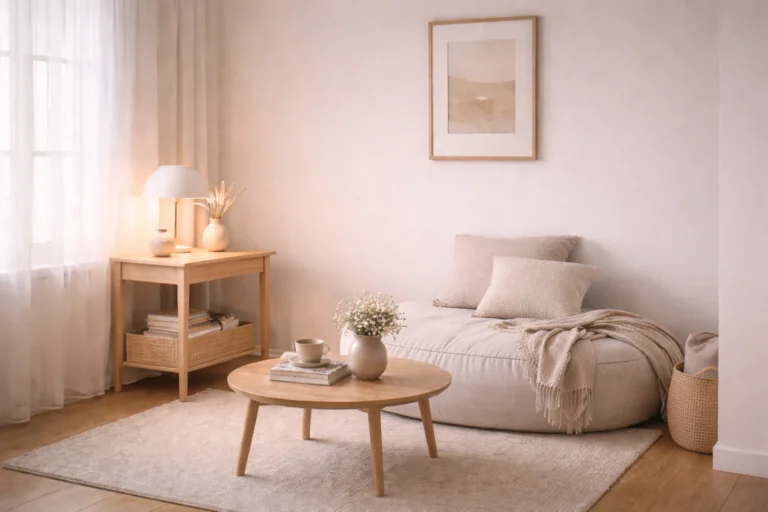
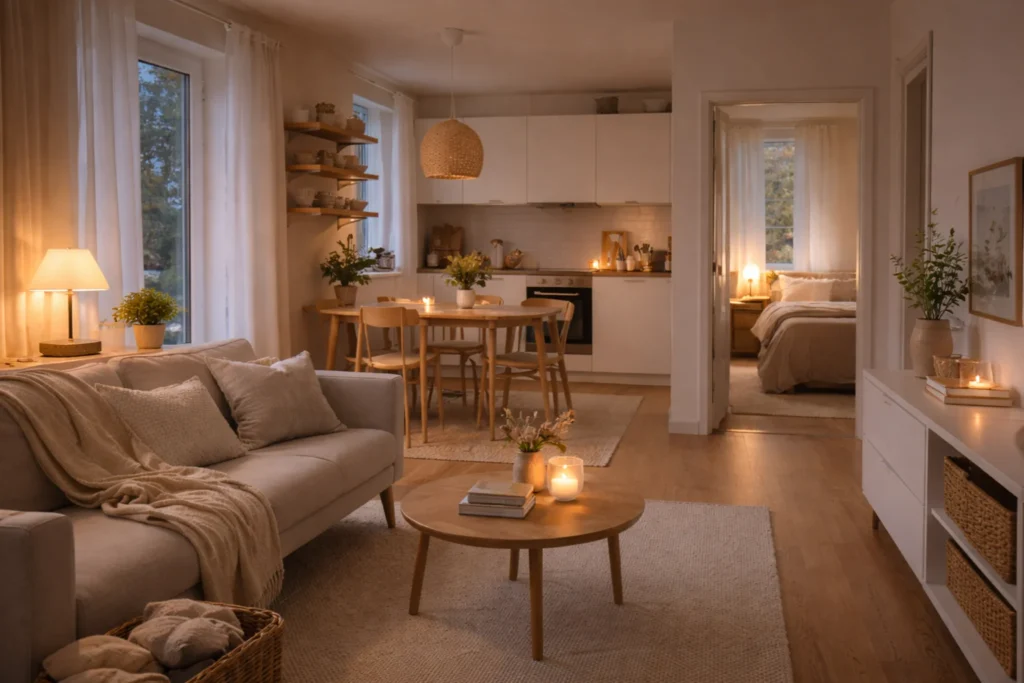
Many small-space design guides emphasize that atmosphere shapes behavior as much as storage does. IKEA’s small-space living inspiration often shows how calm lighting, soft textures, and clear surfaces make routines feel lighter instead of forced.
Environment guides motion. Homes designed around rhythm reduce resistance, a principle echoed in Smart Space Living: Practical Design Ideas for Small Spaces. When rituals align with atmosphere, transitions feel natural.
Weekly flow becomes a spatial conversation, not a chore.
When a Week Breaks the System
Travel, deadlines, illness, guests. Flow will sometimes collapse.
The rule is simple:
Resume rhythm. Do not compensate.
Small homes recover quickly when circulation restarts. The ecosystem stabilizes as soon as rooms reconnect.
Weekly flow routines small homes use are resilient because they assume interruption.
Recovery matters more than streaks.
A Home Where Rooms Support Each Other
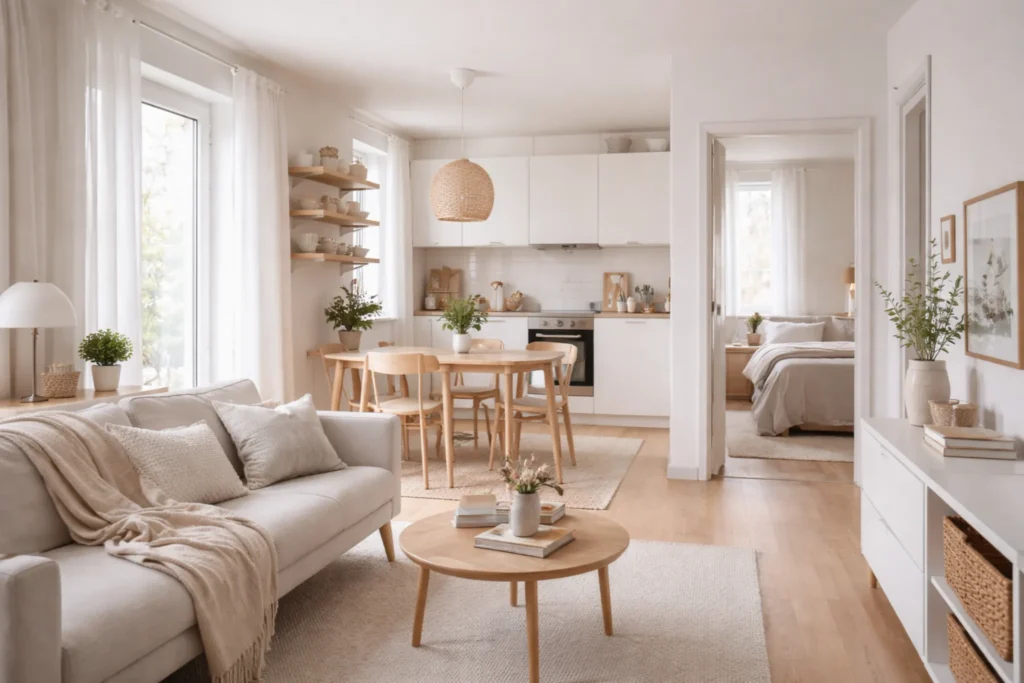
When weekly flow becomes habit, rooms stop competing for attention. The entry protects the living area. The kitchen stabilizes shared space. The bedroom restores energy. Storage absorbs pressure instead of radiating it.
The apartment begins to operate as one environment instead of isolated rooms.
That is the purpose of Whole Home Systems.
Not perfection.
Connection.
And connection is what keeps small spaces livable.