Small Living Room Layout Ideas for Beginners (Simple, Affordable & Renter Friendly)
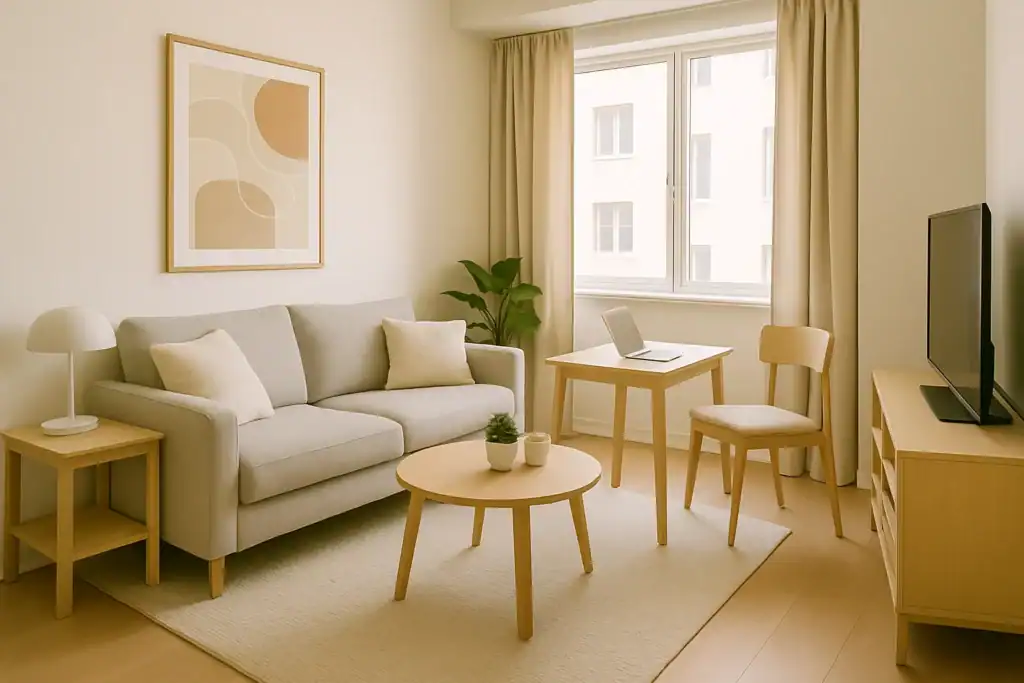
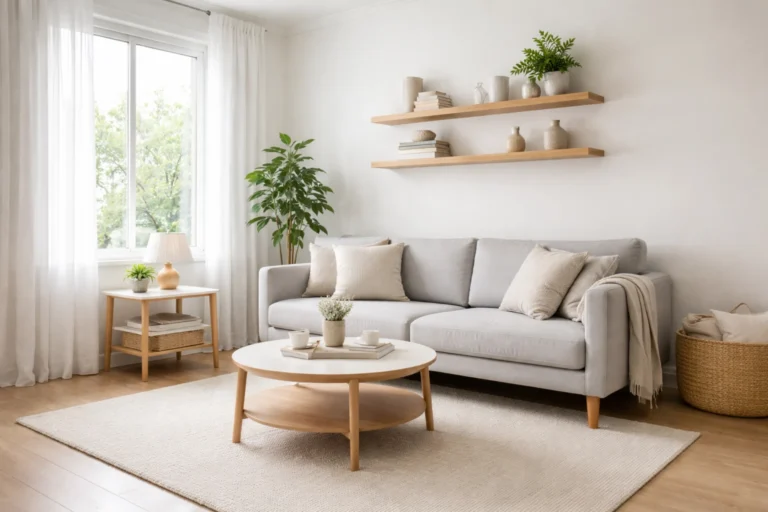
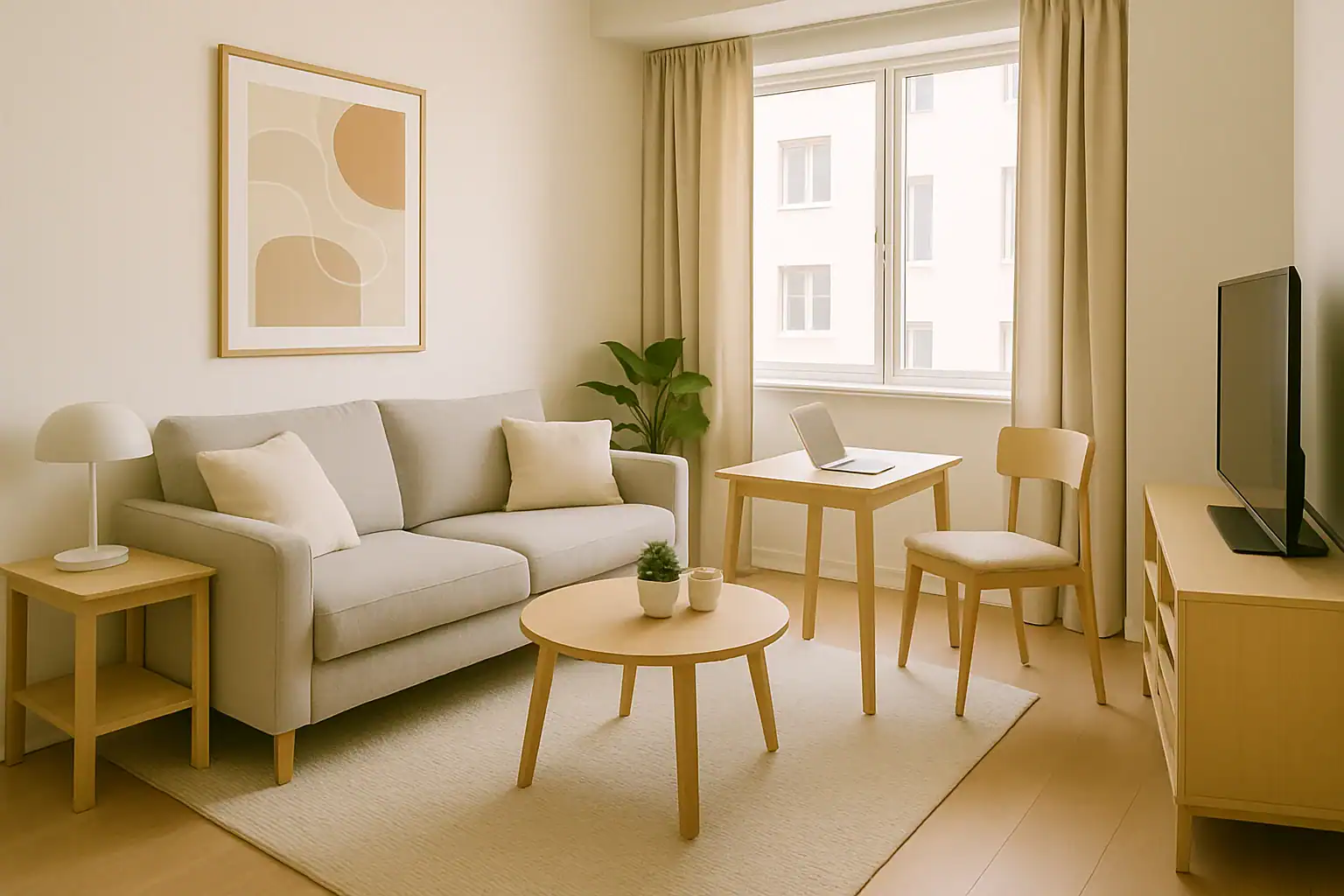
Setting up a small living room can feel challenging, especially if you’re renting or working with very limited floor space. The good news is that beginner-friendly layout strategies can make a small living room feel bigger, more functional, and easier to move around. These small living room layout ideas for beginners are simple, budget friendly, and work in almost any apartment.
1. Start With a Single Focal Point
Before adding furniture, choose one main focal point. This could be a TV stand, a piece of art, a window, or even a plant shelf. Aligning your layout around a focal point removes visual clutter and keeps the room feeling organized.
2. Use Compact Furniture Instead of Full-Size Pieces
Oversized couches and heavy furniture make small rooms feel cramped. Instead, choose compact pieces like:
- A 2-seater sofa
- A slim coffee table
- A single armchair
- Nesting tables
This is one of the simplest small living room layout ideas for beginners, because compact pieces instantly free up more usable space.
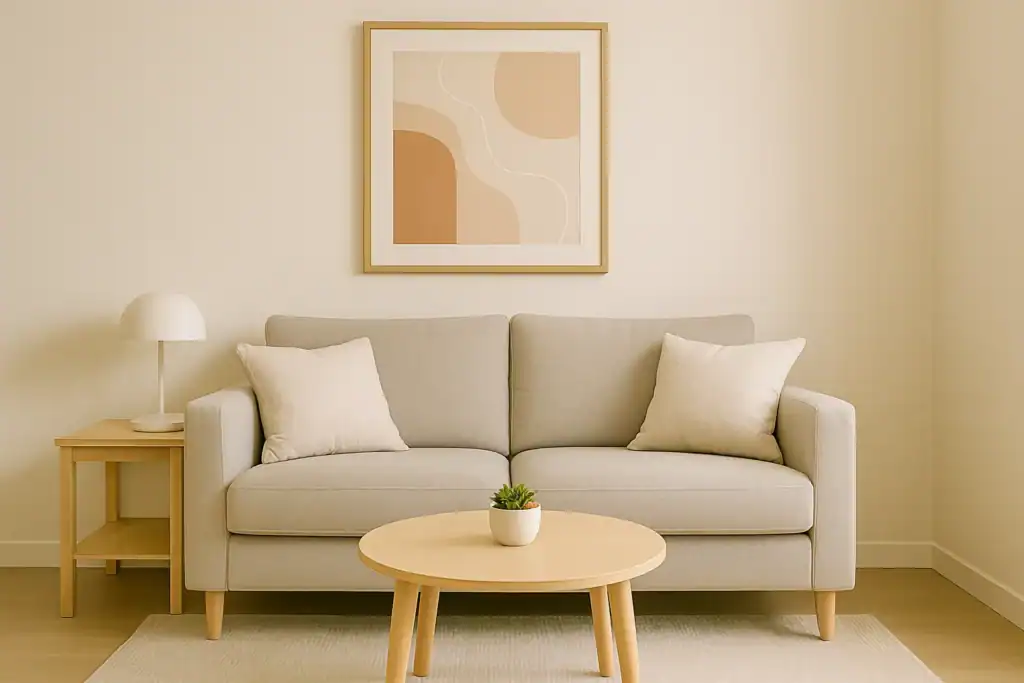
Lightweight pieces make the space more flexible and beginner friendly. You can easily slide things around to test different layouts without scratching floors or needing extra help. This is perfect if you like to rearrange your furniture until it “feels right.”
3. Keep Walkways Clear to Avoid Cluttered Flow
One of the best small living room layout ideas for beginners is to keep walking paths open. Avoid placing furniture in the middle of traffic flow. Aim for at least 2–3 feet of space for movement between main seating and entry points.
This immediately makes a small room feel larger. Clear walkways also make everyday tasks, like carrying laundry, snacks, or groceries through the room, much easier and less stressful.
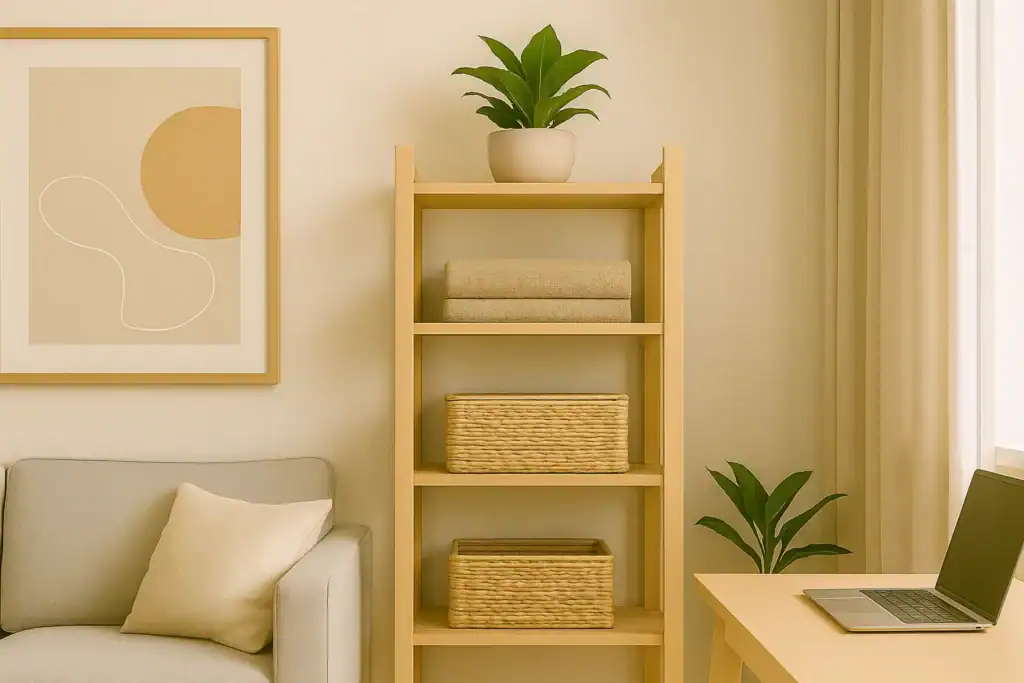
4. Use Vertical Shelving to Free Up Floor Space
Instead of filling the floor with side tables and cabinets, use:
- Wall-mounted shelves
- Slim vertical bookcases
- Floating corner shelves
- They add storage without eating up square footage.
5. Add a Rug to Define the Space
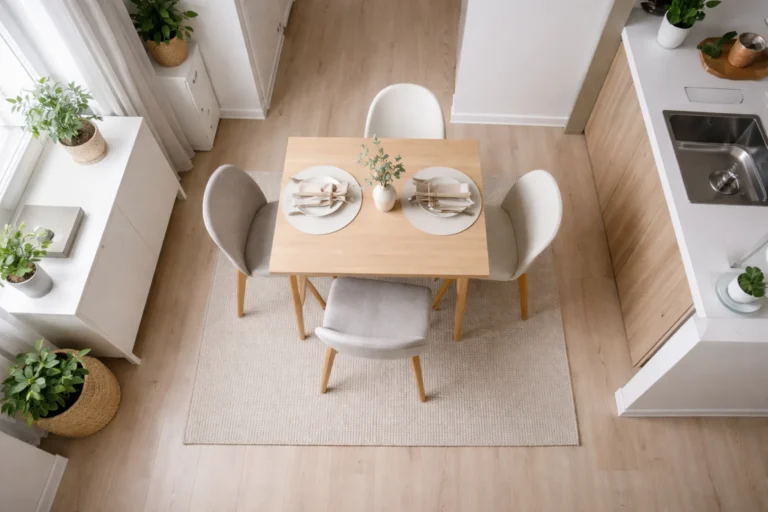
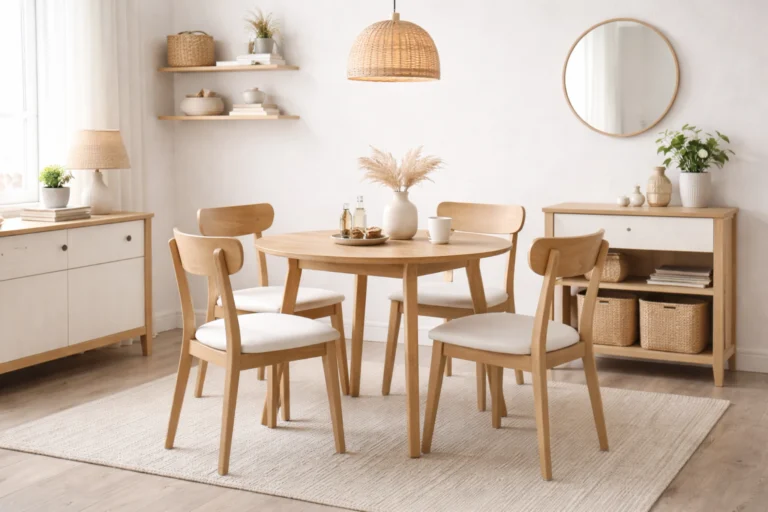
A rug helps visually “anchor” your living room, even if your layout is open. Choose a rug that’s large enough to sit under at least the front legs of your sofa. Rugs make rooms feel intentional and cozy.
If you’re a beginner, stick to simple patterns and neutral tones so the rug supports the space instead of overpowering it. This also makes it easier to change pillows or decor later without clashing colors.
6. Use Multi-Functional Furniture
This post may contain affiliate links. We may earn a small commission at no extra cost to you.
If you’re a beginner working with a tight budget, multifunctional items save money and space. Try pieces like:
- Storage ottomans
- Coffee tables with shelves
- Sofa beds for guests
- Foldable side tables
These are great tiny-apartment hacks.
7. Use Light Colors and Simple Decor
Neutral, light tones make small living rooms feel airy. Stick with colors like:
- White
- Soft beige
- Light gray
- Muted blue
Limit decor to a few meaningful pieces so the room doesn’t feel busy. A small living room layout becomes much more beginner friendly when you avoid heavy patterns and too many knickknacks competing for attention.
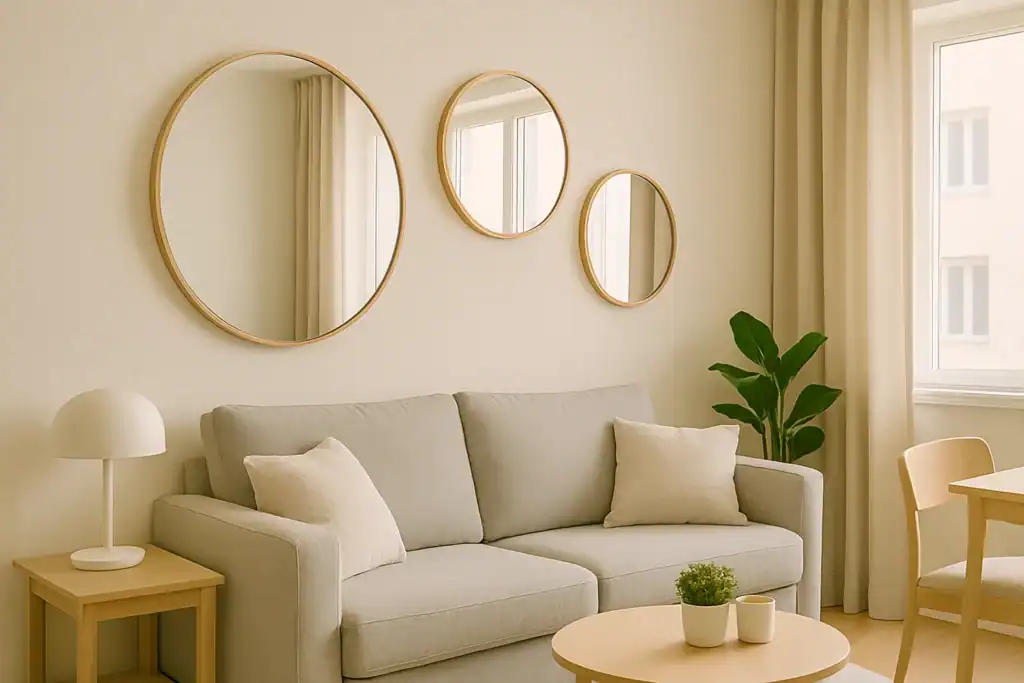
8. Add Mirrors to Open Up the Space
One of the most effective small living room layout ideas for beginners is placing a mirror opposite a window. This reflects natural light and instantly makes the room appear bigger. Even a single medium-sized mirror can brighten a dark corner and make your layout feel more open.
9. Keep Cords and Electronics Simple
Living rooms feel cluttered fast when cables are everywhere. Beginners can use:
- Adhesive cable clips
- Cord boxes
- TV wall mounts
A simple cord management box that’s renter-friendly
Tucking away cords keeps your layout clean and helps your best features, like your rug, sofa, or artwork, stand out more.
10. Allow Your Layout to Evolve Slowly
Small living room layouts improve with time. Don’t feel pressured to perfect everything at once. Start with the basics: a compact sofa, smart storage, and a clear walkway. Build the rest gradually as you learn how you move in the space.
This slow approach works very well for beginners and takes the pressure off. You can always swap pillows, move the rug, or adjust furniture later without feeling like you “got it wrong” the first time.
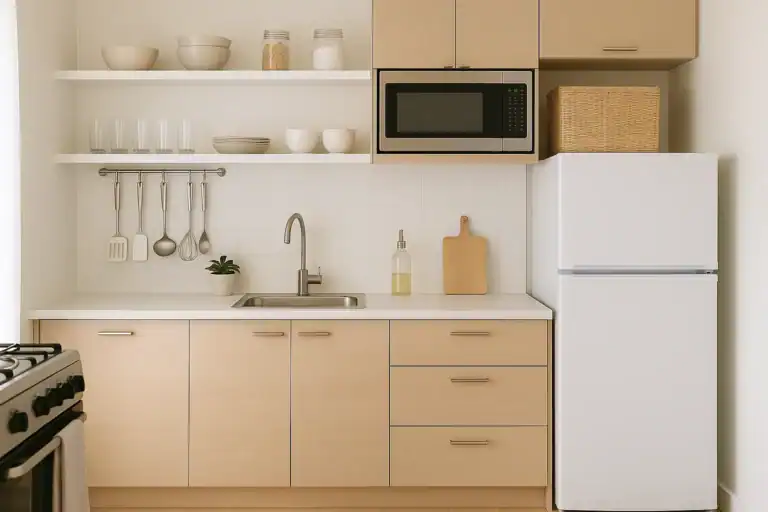
Check out more beginner-friendly small-space tips in our kitchen guide.
This works well alongside small bedroom setup ideas for beginners.
If you’re setting up a tiny bathroom too, you’ll love these tips.